July 4th Weekend Market Pulse: Robotics, Beef Prices, and What's Actually Moving Your Money
Robots, beef prices, and a holiday-week market lull — here's what's quietly setting up the next trade opportunity.

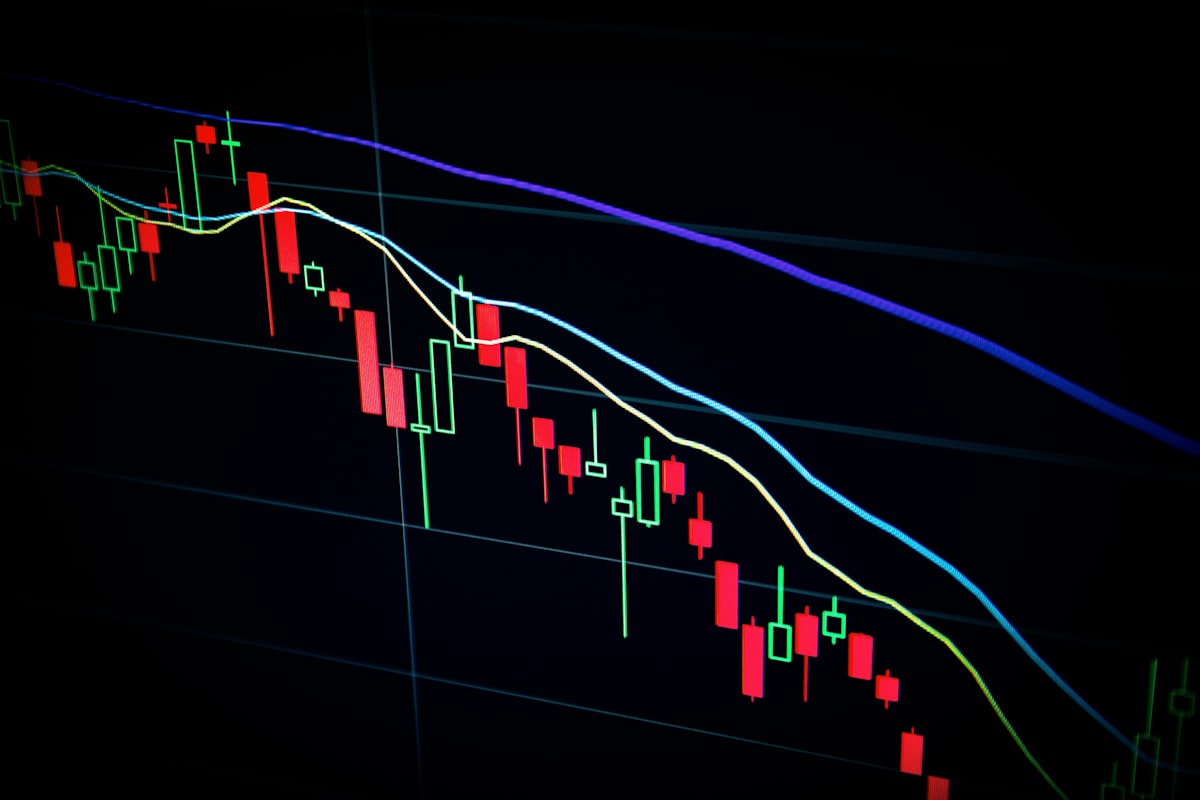
Markets are taking a long weekend breather — and that's actually worth paying attention to.
With U.S. exchanges closed for Independence Day, trading volume is thin and volatility (the speed and size of price swings) tends to flatten out. That quiet can feel boring, but it's often the calm before things get interesting again next week. So let's talk about what's simmering beneath the surface.
Nvidia and the Robotics Trillion
The biggest investing story right now isn't fireworks — it's robots. Nvidia CEO Jensen Huang recently called humanoid robots a "multitrillion-dollar economic opportunity." Nvidia makes the chips that power artificial intelligence, and now that same AI is being used to train robots to walk, lift, and think.
This matters to everyday investors because Nvidia is a major component of TQQQ — a leveraged ETF (a fund that amplifies the daily moves of the Nasdaq 100). When Nvidia moves, TQQQ tends to move harder. That's a double-edged sword: bigger gains when things go up, bigger drops when they don't.
If you've been watching tech stocks and wondering whether to dip your toe in, you're not alone. The trick is knowing when to enter — not just that you want to.
Inflation Is Still at the BBQ
Here's a number that hits close to home: beef prices are stubbornly high, even as the U.S. is importing record amounts of meat. That's a sign that inflation (the general rise in prices over time) isn't fully cooked yet. When everyday goods stay expensive, the Federal Reserve — the central bank that sets interest rates — feels pressure to keep borrowing costs elevated. Higher interest rates tend to weigh on growth stocks like those in tech. It's a slow-moving headwind, but it's real.
The "Trump Account" Debate
Congress recently greenlit a new type of savings account for children that invests exclusively in U.S. stocks — no bonds, no international exposure. Financial advisors are raising eyebrows because concentration risk (putting all your eggs in one basket) can be brutal during downturns. It's a good reminder that diversification isn't just a buzzword — it's the reason your portfolio can survive bad years.
What This Means for Active Traders
So where does all this leave someone who wants to do more than just hold and hope?
Two StratBeacon strategies fit today's environment well:
Volatility Scalping on TQQQ
This strategy automatically buys when TQQQ dips to one of 88 preset price levels and sells when it bounces back — no guesswork required. With Nvidia-driven momentum in tech and a holiday-week lull creating potential dip opportunities, this is exactly the kind of setup this strategy is built for. You don't need to stare at a screen. The levels are already mapped out.
High Confluence Signals
This strategy only fires a buy alert when multiple independent indicators — think price momentum, volume, and trend direction — all agree at the same time. In a market where one headline can swing things fast (hello, robotics boom), waiting for confirmation before acting is the difference between chasing noise and trading with an edge.
The Bottom Line
The market isn't screaming right now — it's whispering. Tech has a genuine long-term catalyst in AI and robotics. Inflation is still a background concern. And a holiday-week lull means the next real move could come fast when volume returns Monday.
The best traders don't predict the future. They prepare for it by knowing exactly where their setups are before the action starts.
StratBeacon shows you exactly when setups like this appear — free to try at stratbeacon.com
Trading involves risk of loss. Past performance of any strategy does not guarantee future results. Only trade with capital you can afford to lose.