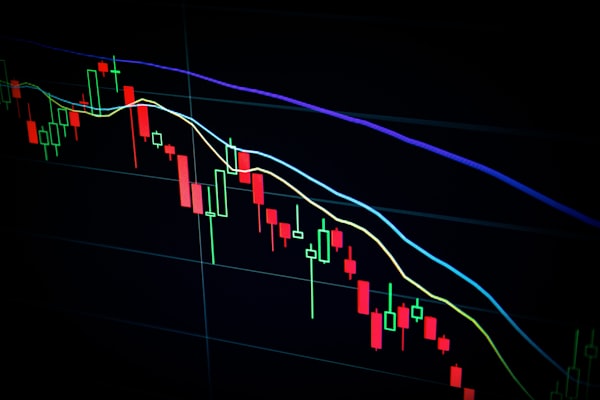
Big Tech Stumbles, SpaceX Sinks: What Monday's Market Selloff Means for You
Nasdaq drops sharply as Alphabet loses $269B and SpaceX falls below its IPO price. Here's what it means in plain English.

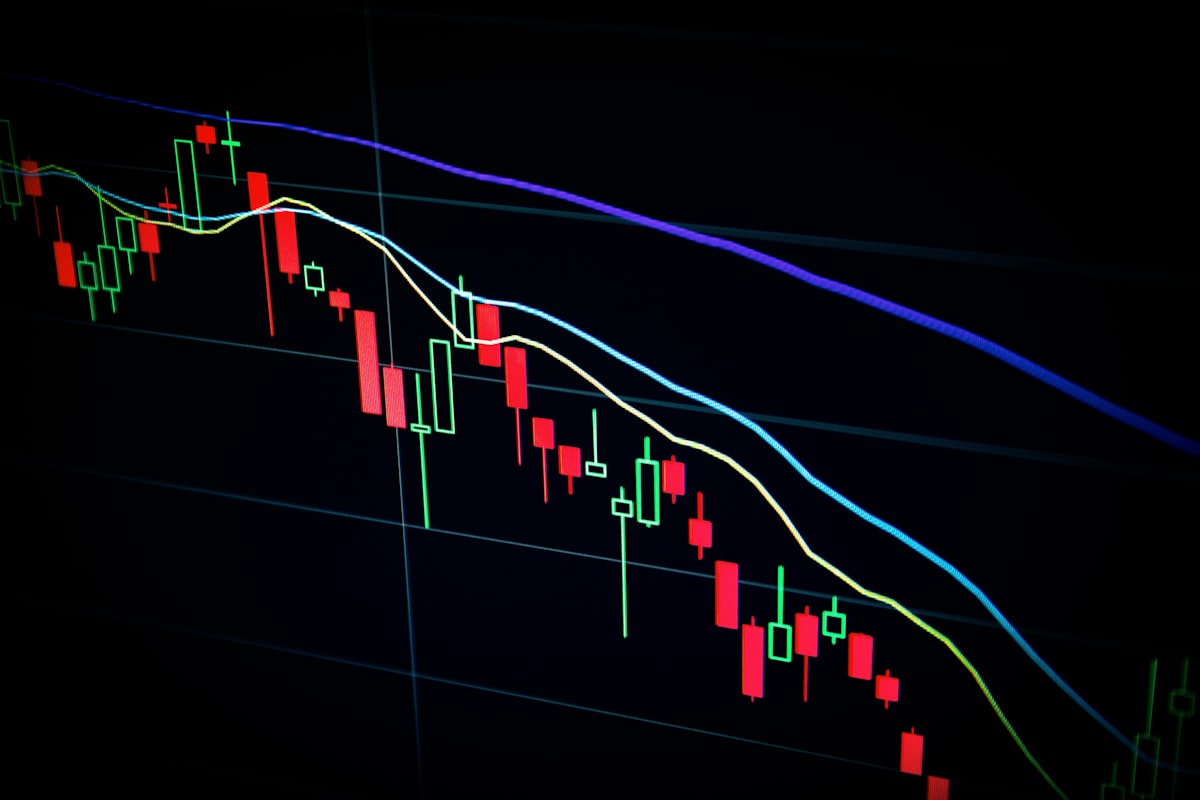
Monday was a tale of two markets. The Dow Jones — the index that tracks 30 large, established companies — managed a small gain. But the Nasdaq, which is packed with technology stocks, dropped sharply. If you've been watching your portfolio and wondering what happened, here's the plain-English version.
The Big Story: Tech Got Hit Hard
Two names dominated the conversation today: Alphabet and SpaceX.
Alphabet, the parent company of Google, saw its market cap (the total value investors place on the company) shrink by $269 billion in a single session. The fear driving that selloff? Investors are worried Alphabet is losing its best AI engineers to competitors. In the AI race, talent is everything. If the people building your future leave, the future looks a lot less certain — and markets priced that in fast.
Then there's SpaceX. The company went public not long ago to enormous fanfare. Today, its stock slid below its IPO-day closing price — meaning anyone who bought at the open and held is now sitting on a loss. The total value erased: roughly $400 billion. That's not a rounding error. That's a signal that even the most hyped names aren't immune to gravity.
Why Is This Happening Now?
A few forces are colliding at once.
First, Big Tech stocks had a strong run leading into this week. When stocks climb a long way fast, it doesn't take much bad news to trigger a pullback — investors who are sitting on profits start selling to lock them in. That's called profit-taking, and it can snowball.
Second, there's a macro (big-picture economic) headwind building in energy markets. Reports suggest a flood of new oil supply is about to hit global markets. More supply usually means lower oil prices, which sounds good at the gas pump but can rattle energy stocks and create broader uncertainty about where the economy is heading.
Third, not everything was red. Micron, the memory chip maker, bucked the trend after announcing a new supply partnership with Anthropic, one of the leading AI companies. That's a reminder: even in a down day, individual stories matter.
What This Means If You're Watching the Market
Days like today have a specific feel: high volatility (big, fast price swings), sector rotation (money moving out of tech and hunting for safer ground), and uncertainty hanging over the next session. That's exactly the kind of environment where having a clear, rules-based plan beats reacting on emotion.
Two StratBeacon strategies were built for conditions like this:
- Volatility Scalping on TQQQ — TQQQ is a leveraged ETF (a fund that moves 3x as much as the Nasdaq). StratBeacon's Volatility Scalping strategy automatically buys dips and sells bounces across 88 preset price levels, so it's designed to work with the chop instead of fighting it. On a day when the Nasdaq is swinging wildly, this strategy is in its element.
- High Confluence Signals — This strategy fires a buy alert only when multiple indicators (tools that measure price momentum, trend strength, and volume) all agree at the same time. On noisy days full of false moves, waiting for true confluence is what separates disciplined trading from guessing.
The Takeaway
Monday reminded everyone that no stock — not even the most exciting name in the room — goes up forever. Alphabet's AI talent fears, SpaceX's post-IPO slide, and a jittery Nasdaq are all part of the same story: markets reprice risk fast, and being prepared matters more than being smart after the fact.
You don't need to predict the next move. You need a system that tells you when the odds are actually in your favor.
StratBeacon shows you exactly when setups like this appear — free to try at stratbeacon.com
Trading involves risk of loss. Past strategy performance does not guarantee future results.