Dead-Cat Bounce or Real Recovery? What Tuesday's Market Signals Are Saying
Monday's rally may have been a dead-cat bounce — and Tuesday's signals are flashing caution. Here's what it means in plain English.

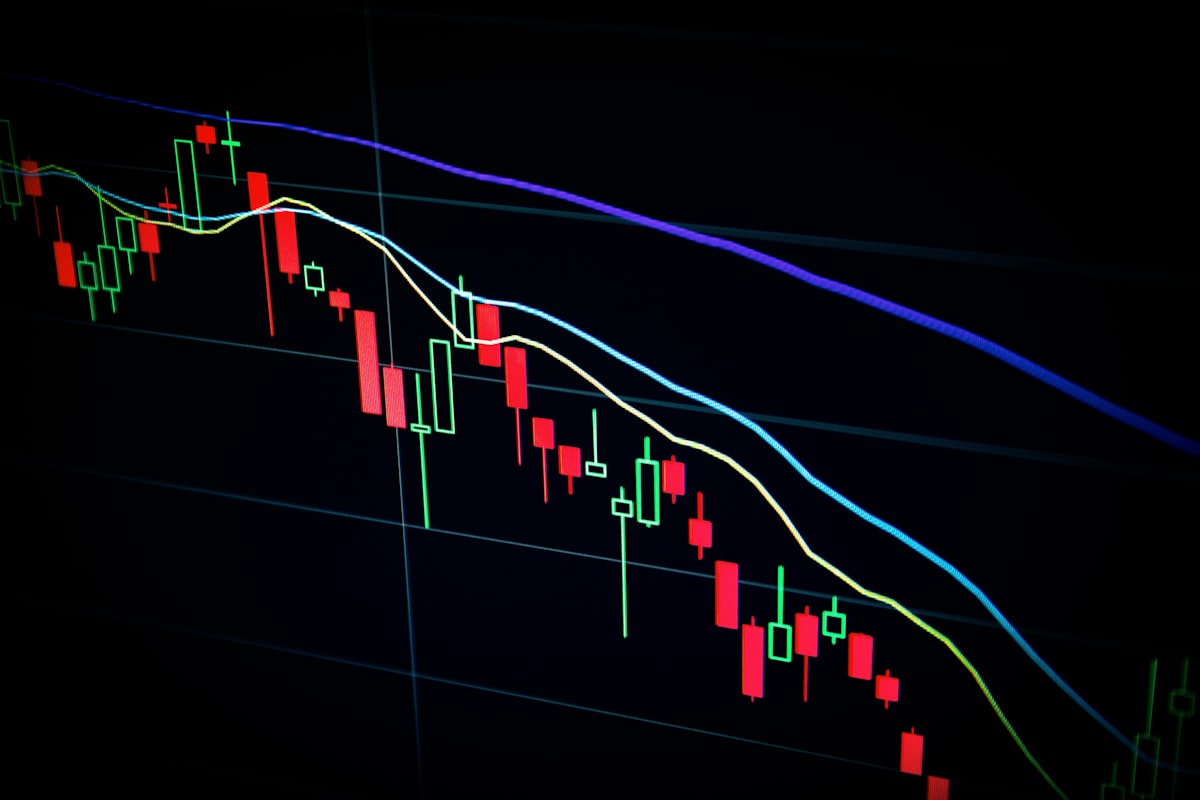
Yesterday, stocks bounced. It felt good. But one closely watched Wall Street analyst is already throwing cold water on it — calling Monday's rally a "dead-cat bounce." That's trader slang for a brief, misleading recovery inside a larger decline. The cat isn't alive. It just hit the floor hard enough to bounce.
So what's actually going on? Let's break it down.
The Big Picture: Caution Lights Are Flashing
Citi's currency strategists — the people who study how money flows between countries — say their risk-sentiment indicator has just turned red. Risk sentiment is basically a read on whether investors are feeling brave or scared. Red means scared. When big institutional traders get nervous, they tend to pull money out of stocks and into safer assets like bonds or cash. That's a headwind for markets, even if it doesn't show up immediately in prices.
Meanwhile, the European Central Bank (the ECB — Europe's version of the Federal Reserve) is expected to raise interest rates for the first time in nearly three years. One top economist is calling it a potential "mistake in the making." Why does a European rate decision matter to a U.S. investor? Because global money is connected. Higher rates in Europe can pull investment dollars away from U.S. markets, adding pressure right when things are already shaky.
And later this week, markets will digest a fresh round of economic data — small-business optimism, existing home sales, and trade numbers. Each of these gives a snapshot of how healthy (or not) the economy actually is. Weak numbers could rattle stocks further. Strong numbers could calm things down.
What This Means If You're Watching the Market
Here's the honest summary: nobody knows for sure if yesterday's bounce was real or fake. But the weight of the signals right now — cautious institutional investors, a potentially hawkish (rate-raising) ECB, and economic data about to drop — suggests this is not a moment to get overconfident.
For newer investors, that uncertainty can feel paralyzing. Do you buy the dip? Wait? Do nothing? This is exactly where having a rules-based system helps — something that takes emotion out of the equation.
Two StratBeacon Strategies Built for Moments Like This
When markets are choppy and direction is unclear, two approaches tend to shine:
- Volatility Scalping on TQQQ: This strategy automatically buys small dips and sells quick bounces across 88 preset price levels on TQQQ (a fund that magnifies the moves of the Nasdaq 100). You don't have to guess where the market is going — the system is designed to profit from the up-and-down chop that defines uncertain markets like this one.
- High Confluence Signals: This tool fires a buy alert only when multiple independent indicators all agree at the same moment. In a market full of head-fakes and dead-cat bounces, waiting for several signals to line up at once dramatically reduces the chance of jumping in at the wrong time.
Both of these strategies are built around one core idea: don't guess, wait for the setup. In a market where even professional analysts are second-guessing Monday's move, that discipline is worth a lot.
The Bottom Line
Monday's rally may have felt like a turning point. Tuesday's signals suggest it might not be. Citi sees risk, Europe is about to make a controversial rate move, and economic data is incoming. That's a recipe for continued volatility — and volatility, handled with the right tools, is actually an opportunity.
StratBeacon shows you exactly when setups like this appear — free to try at stratbeacon.com
Trading involves risk of loss. Past performance of any strategy does not guarantee future results.