Fed Signals a Rate Hike — And the Market Didn't Like It One Bit
The Fed kept rates steady — then hinted at a hike. The Dow dropped 500 points. Here's what it means and how traders are responding.

Wednesday, June 17, 2026
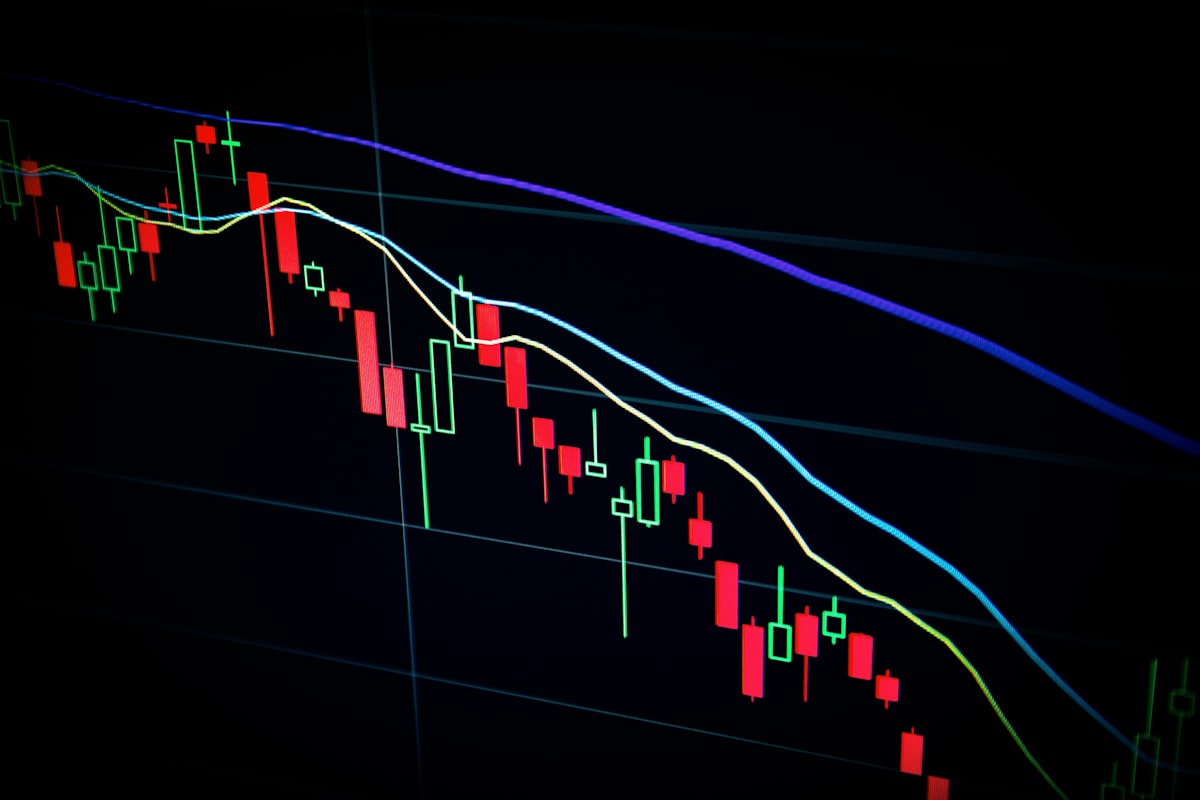
The Federal Reserve met today, kept interest rates where they were — and then quietly dropped a bombshell. In their updated economic forecast, Fed officials penciled in a rate hike later this year. That single word sent the Dow Jones Industrial Average (a basket of 30 big American companies used as a temperature check on the market) tumbling more than 500 points by the close.
So why does a future rate hike spook the market so much?
Think of interest rates like the cost of borrowing money. When rates go up, companies pay more to borrow, consumers pull back on spending, and growth slows. Investors tend to sell stocks ahead of that slowdown — which is exactly what happened today.
What the Fed Actually Said
New Fed Chair Kevin Warsh held his first press conference after the decision and made it clear he wants to run the Fed differently than his predecessors. He kept rates unchanged for now but signaled that inflation — the general rise in prices — is still running too hot for comfort. The Fed's own forecast now shows a rate hike arriving sometime in 2026.
That's a shift. For most of this year, traders had been betting the Fed's next move would be a cut, not a hike. Today's announcement flipped that script. Bonds sold off, tech stocks dropped, and the kind of calm that markets had been riding quietly started to crack.
What This Means for Everyday Investors
If you've been watching your portfolio and wondering why things feel shaky lately, today is a big reason why. Rate hike expectations change the math on almost every investment. Stocks that looked cheap last week look a little less cheap today.
The VIX — the market's fear gauge, which rises when investors get nervous — jumped alongside the sell-off. That's the market saying: we weren't ready for this.
Here's the honest truth: days like today aren't anomalies. They happen a few times a year, and they tend to shake out investors who don't have a plan.
How Traders Are Approaching This — And How StratBeacon Fits In
When markets sell off fast and then bounce around trying to find a bottom, two types of setups tend to emerge:
1. Buying the Dip on TQQQ (Volatility Scalping)
TQQQ is a leveraged ETF (a fund that amplifies the daily moves of the Nasdaq 100 index — it moves roughly 3x what the tech-heavy index does). On volatile days, it can swing wildly. StratBeacon's Volatility Scalping strategy is built exactly for this: it automatically buys dips and sells bounces using 88 preset price levels on TQQQ, so you're not guessing where the bottom is — the system does the work.
2. Generating Income with SPX 0DTE Options
A 0DTE option is a contract that expires the same day you buy it — like a very short-term bet on whether the market moves up or down. StratBeacon's SPX 0DTE strategy uses these daily options to generate income when markets are choppy, or to ride the trend when a real move is underway. A day like today — a clear directional drop driven by a Fed catalyst — is exactly the kind of environment this strategy watches for.
The Takeaway
Today was a reminder that markets don't move on vibes — they move on data, policy, and expectations. The Fed just changed its story, and prices adjusted fast. If you're sitting on the sidelines wondering how people actually trade around news like this, the answer is: with a system.
You don't need to predict what the Fed will do next. You need a strategy that knows what to do when the market reacts.
StratBeacon shows you exactly when setups like this appear — free to try at stratbeacon.com
Risk disclaimer: Trading involves significant risk of loss. Past performance of any strategy is not indicative of future results. Trade only with capital you can afford to lose.