Inflation Is Back Above 4% — Here's What That Means for Your Money Right Now
Inflation just topped 4% and tech stocks are getting hammered. Here's what it means — and how to trade it without the guesswork.

Wednesday, June 10, 2026
The Big Story: Inflation Just Punched the Market in the Face
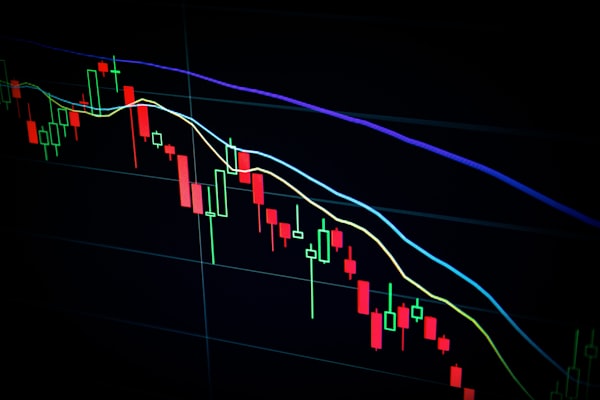
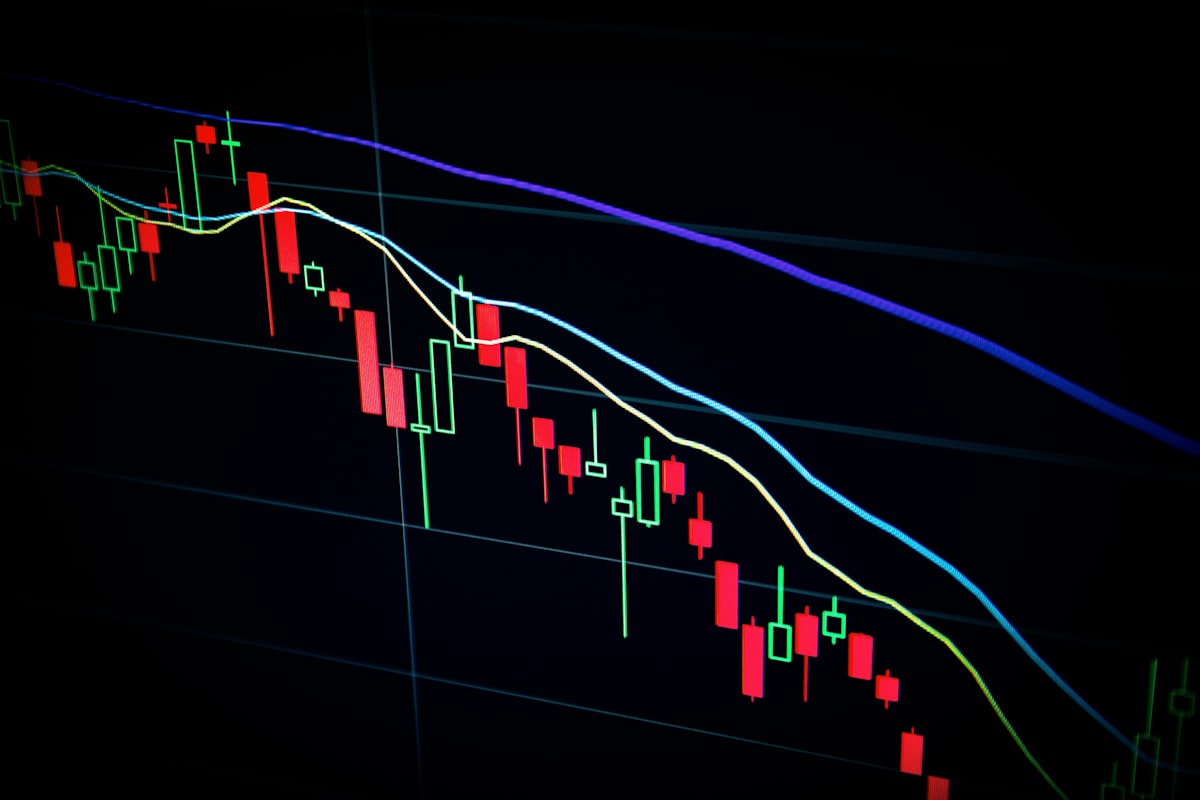
This morning, fresh inflation data showed prices rising faster than 4% annually. That doesn't sound dramatic until you understand what it means for Wall Street: higher inflation usually forces the Federal Reserve (the U.S. central bank that controls interest rates) to keep rates elevated — or even raise them further. Higher rates make borrowing more expensive, squeeze company profits, and tend to make stocks less attractive. The result? Tech stocks led a broad sell-off today, dragging the S&P 500 (an index of 500 large U.S. companies, often used as a benchmark for "the market") down at the open.
This isn't just a bad morning. It's a reminder that the inflation fight isn't over. And for anyone who thought we were in the clear, today was a wake-up call.
Why Tech Got Hit the Hardest
Tech stocks are especially sensitive to interest rates. Here's the simple reason: tech companies are often valued on future profits. When rates go up, those future profits are worth less in today's dollars — so investors sell. It's like learning the prize you were promised is now worth less than you thought.
Amazon is a perfect example of the tension right now. The company just lined up another $17.5 billion in new debt financing for AI — bringing its total external borrowing this year to over $80 billion. That's a staggering bet on artificial intelligence. But borrowing $80 billion in a high-rate environment is expensive. Investors are watching closely to see if the AI payoff justifies the cost.
One More Thing Worth Watching: Social Security
Analysts now estimate Social Security's cost-of-living adjustment (COLA — the annual raise retirees get to keep up with inflation) could jump to 4.7% next year. That's good news for retirees, but it's also a flashing signal: inflation is sticking around longer than many hoped. For anyone planning for retirement or managing income from a portfolio, this is worth paying attention to.
What This Means If You're Thinking About Trading
Days like today — where a hot inflation print sends tech tumbling and volatility (the speed and size of price swings) spikes — are exactly the kind of environment where having a system matters more than having an opinion.
Two StratBeacon strategies are built for moments like this:
- Volatility Scalping on TQQQ: TQQQ is a leveraged ETF (a fund that moves 3x as much as the Nasdaq 100 index). When tech sells off hard and fast, prices can swing wildly in both directions. StratBeacon's Volatility Scalping strategy automatically buys at predefined price dips and sells on the bounces — no guessing, no emotion, just 88 preset levels doing the work.
- High Confluence Signals: On chaotic days, one indicator flashing a buy isn't enough. StratBeacon's High Confluence Signal only fires when multiple independent indicators all agree at the same time — think of it as waiting for several clocks to strike noon before acting. That extra confirmation helps filter out the noise on days when markets are lurching around on headlines.
The Bottom Line
Inflation above 4% means the market has more uncertainty ahead — not less. Tech is under pressure. Big companies are borrowing big to fund the AI race. And volatility is back on the table. That's not a reason to panic. It's a reason to have a plan.
StratBeacon shows you exactly when setups like this appear — free to try at stratbeacon.com
Trading involves risk. Past performance of any strategy does not guarantee future results. Never trade with money you cannot afford to lose.