Jobs Are Too Good — And That's Bad News for Stocks Right Now
Strong jobs data sent the Nasdaq down 4% Friday — here's why good economic news just tanked the market, explained plainly.

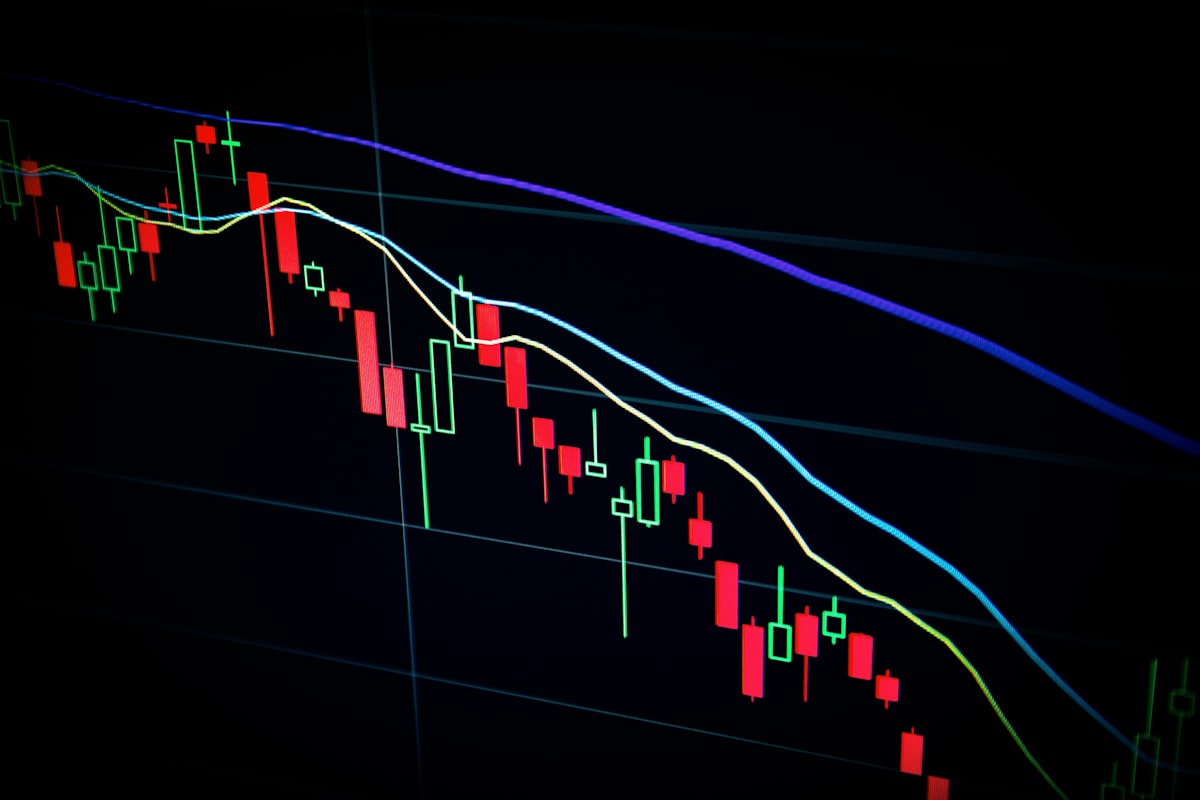
Here's something that sounds backwards: the economy added a lot of jobs today, and stocks fell hard because of it. The Nasdaq — the index of big tech and growth companies — closed down 4% on Friday. That's a rough day by any measure.
So why does good news become bad news? It comes down to one word: inflation.
The Jobs Report That Spooked the Market
When the economy is running hot — lots of hiring, low unemployment — prices tend to rise. That's inflation. To slow inflation, the Federal Reserve (the central bank that controls borrowing costs in the U.S.) raises interest rates. Higher rates make mortgages, car loans, and business borrowing more expensive. They also make bonds more attractive than stocks. So money flows out of stocks and into safer places.
Today's strong jobs report made traders suddenly believe the Fed will hike rates again — possibly sooner than expected. That belief alone was enough to send the market sliding into the close. The sell-off accelerated in the final hour of trading, a sign that institutional investors (the big funds) were rushing for the exits.
One analyst put it bluntly: the Fed may already be behind the curve — meaning they waited too long to act, and now catching up will hurt. When the Fed overcorrects, borrowers with variable-rate debt feel it first. Homeowners with adjustable mortgages, small businesses with floating-rate loans — they're the ones who get squeezed.
A New Financial Product Has Wall Street Nervous
Separately, there's buzz about a new type of financial product that's gaining traction with retail investors (everyday people like you and me, not hedge funds). Wall Street insiders are warning that it's being misunderstood and potentially misused. The concern is that products like this can amplify losses in exactly the kind of volatile, rate-sensitive market we saw today. If something promises outsized gains with little explanation of the risk, that's usually a sign to slow down and understand it before touching it.
What This Means for Active Traders
Days like today are chaotic — but they're also full of opportunity, if you have a plan before the market opens.
A 4% drop in the Nasdaq means TQQQ — the 3x leveraged ETF (a fund that moves three times as much as the Nasdaq) — likely fell around 10–12% today. That's a violent move. But violent moves in TQQQ are exactly what StratBeacon's Volatility Scalping strategy is built for. It works by automatically buying at pre-set price levels when TQQQ dips, then selling the bounce. No guessing. No emotion. Just a structured system reacting to the chaos.
Meanwhile, for traders who use options (contracts that let you bet on a stock's direction without owning it), today's environment is a perfect case study for the SPX 0DTE strategy — trades on the S&P 500 index that expire the same day they're placed. In a trending, high-fear market like today, 0DTE trades can ride the momentum rather than fight it, generating returns from the very volatility that rattles buy-and-hold investors.
The Takeaway
The market didn't fall today because something broke. It fell because one data point — a jobs number — shifted expectations about what the Fed will do next. That's how modern markets work: expectations move prices, not just reality.
Understanding that is half the battle. The other half is having a system that responds to it automatically, without you having to stare at a screen all day.
StratBeacon shows you exactly when setups like this appear — free to try at stratbeacon.com
Risk disclaimer: Trading involves substantial risk of loss. Past performance of any strategy does not guarantee future results. Only trade with capital you can afford to lose.