Jobs Day Jitters: What Today's Employment Report Means for Your Money
The May jobs report just moved markets — and not in the direction you'd expect. Here's what 172,000 new jobs really means for stocks today.

Every first Friday of the month, Wall Street holds its breath. Today was one of those days.
The U.S. government released its monthly jobs report this morning, and it showed the economy added 172,000 new jobs in May. That sounds like good news — and in a vacuum, it is. More people working means more people spending. But in today's market, good news can actually spook investors. Here's why.
Why a Strong Jobs Number Can Hurt Stocks
The Federal Reserve (the Fed — America's central bank) controls interest rates. Higher rates make borrowing more expensive, which tends to slow the economy and drag stocks down. The Fed has been waiting for signs of a cooling economy before cutting rates. A solid jobs number like 172,000 tells the Fed: "Things are still running warm. No need to cut yet."
So traders, who had been hoping for rate cuts, got nervous. Stock futures (contracts that predict where the market will open) fell after the report dropped. Bond yields (the interest rate the government pays to borrow money — when yields rise, it usually means investors expect rates to stay higher for longer) climbed. It's a classic "good news is bad news" day on Wall Street.
What's Actually Happening in the Market Right Now
Here's the plain version of today's action:
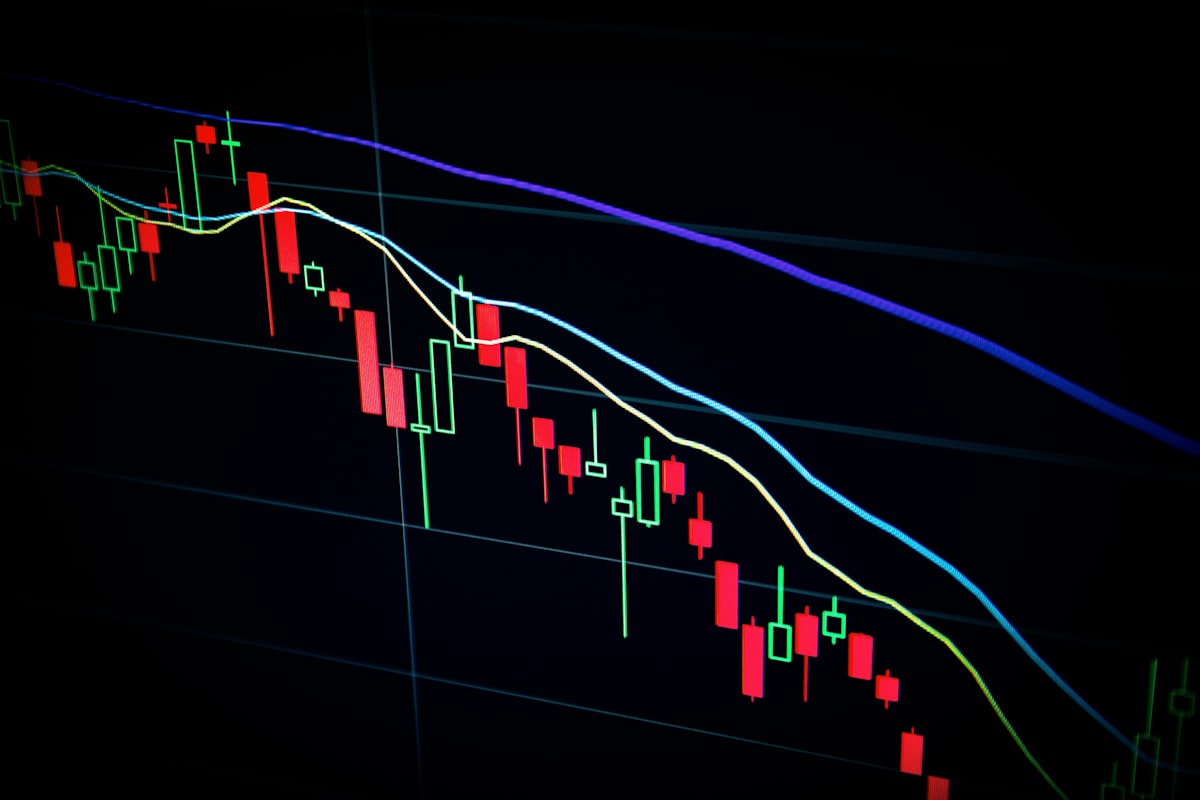
- Stocks are pulling back. Futures retreated after the jobs data hit at 8:30 a.m. Eastern. The market doesn't love uncertainty, and today's number keeps the Fed's next move murky.
- Bond yields are rising. That puts pressure on growth stocks — especially tech — because higher yields make future profits worth less in today's dollars.
- Volatility is picking up. When the market can't make up its mind, prices swing. That creates both risk and opportunity, depending on how you're positioned.
What This Means If You're Thinking About Trading
Days like today — sharp moves after a data release, followed by choppy back-and-forth — are exactly where having a clear system matters. Gut feelings tend to get expensive fast when prices are whipping around.
Two StratBeacon strategies are built for conditions like this:
Volatility Scalping on TQQQ
TQQQ is a fund that moves three times as fast as the Nasdaq 100 index — so on a choppy day, it bounces hard in both directions. StratBeacon's Volatility Scalping strategy uses 88 preset price levels to automatically buy those dips and sell the bounces, capturing small gains from the turbulence without you having to watch every tick. On a jobs-day swing like today, that kind of structure is exactly what keeps emotions out of the equation.
High Confluence Signals
When the market is unsettled, the worst thing you can do is act on a single, shaky indicator. StratBeacon's High Confluence Signals only fire a buy alert when multiple indicators agree at the same time — think of it like waiting for three green lights before you pull into an intersection. On a day when the market is sorting out mixed signals from the jobs report, that filter keeps you out of bad trades and ready for the ones worth taking.
The Bottom Line
Today's jobs report isn't a disaster — it's just a reminder that markets react to data in ways that aren't always intuitive. Strong employment can mean stocks fall. Rising yields can mean tech gets hit. None of it has to be confusing once you understand the connections.
The traders who do well on days like today aren't necessarily smarter. They just have a system that tells them when to act and when to wait.
StratBeacon shows you exactly when setups like this appear — free to try at stratbeacon.com
Trading involves risk of loss. Past strategy performance does not guarantee future results.