Jobs Report Jitters, Middle East Tension, and What It All Means for Your Money
Markets are on edge ahead of Friday's jobs report. Here's what's moving, what it means, and how traders are positioning right now.

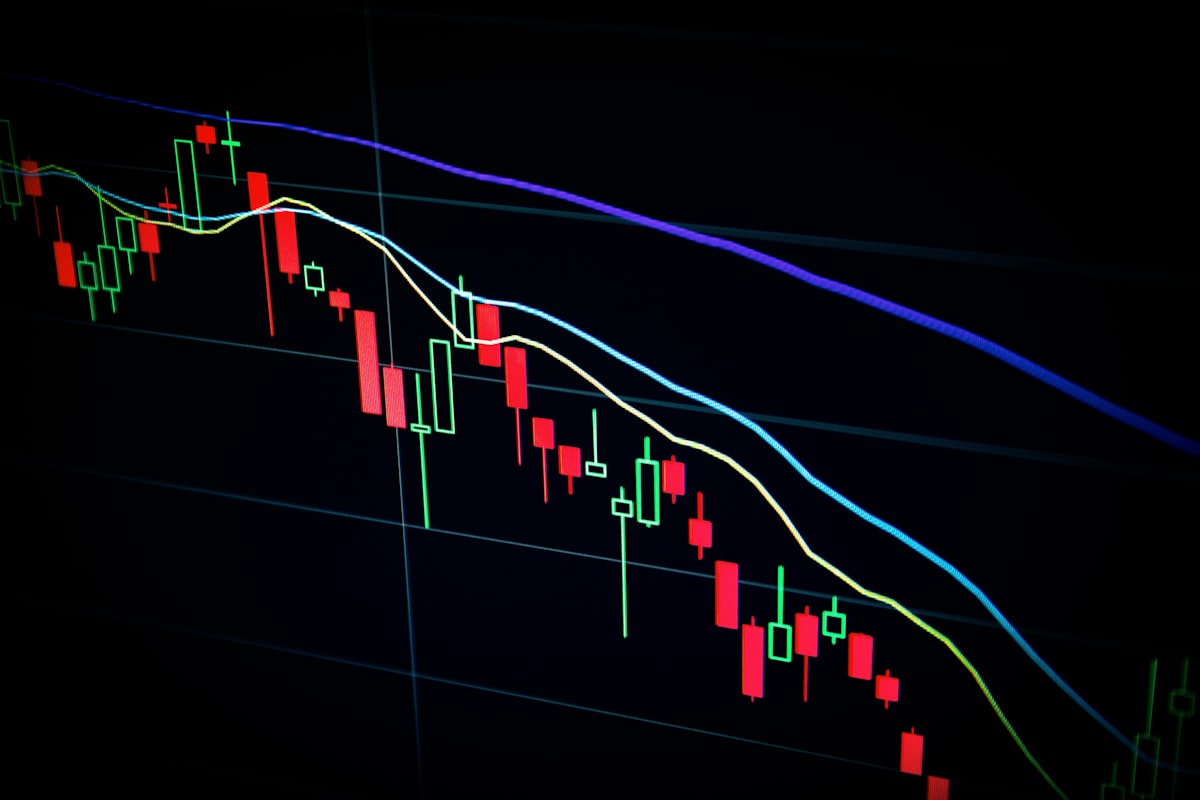
Markets opened mostly lower on Thursday, and there are a few good reasons why. Let's break it down in plain English.
The Big Story: Everyone Is Holding Their Breath Before Friday
Tomorrow morning, the government releases the monthly jobs report — one of the single most important pieces of economic data on the calendar. It tells us how many people got hired, how many lost jobs, and whether wages are going up or down. That number moves markets. A lot.
Right now, the bond market (where the U.S. government borrows money by selling "Treasury" notes to investors) is already under stress. Yields — the interest rate the government pays to borrow — have been climbing, which means bond prices are falling. Investors are nervous. They don't know if the jobs report will show a strong economy that keeps inflation high, or a cooling economy that might push the Federal Reserve to cut interest rates. Either answer changes everything.
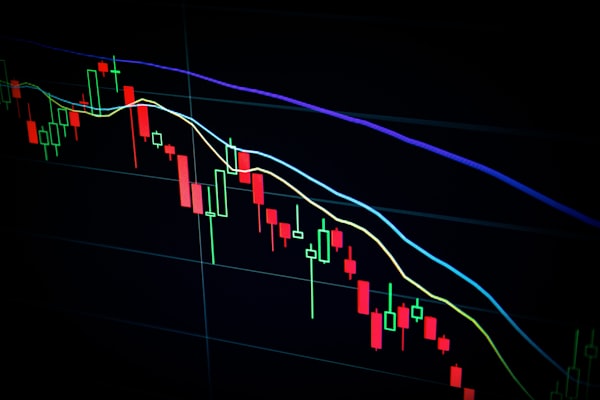
So what does that mean for stocks? Simple: uncertainty makes investors cautious. When people don't know what's coming, they sell first and ask questions later. That's why the major indexes opened in the red Thursday morning.
Middle East Tension Is Adding Fuel to the Fire
On top of the jobs report anxiety, fresh Middle East developments are rattling confidence. Geopolitical risk — the fear that conflict or instability somewhere in the world will disrupt the global economy — tends to push investors toward safety. They move money out of stocks and into gold, bonds, or cash. That selling pressure adds to the downside.
Meanwhile, U.S. refineries are making a seasonal switch in the type of gasoline they produce, which is pushing gas prices higher heading into summer. High gas prices eat into consumer spending power, which can slow the economy and squeeze corporate profits. It's all connected.
The Bright Spots: Coal and the SpaceX IPO Buzz
Not everything was red. Coal stocks surged after the Trump administration directed $700 million in support to the sector. And Wall Street is buzzing about SpaceX — Elon Musk's rocket company reportedly locked in its ticker symbol ahead of what could be one of the biggest IPOs (Initial Public Offerings — when a private company sells shares to the public for the first time) in years. That's the kind of headline that gets people excited about markets, even on a down day.
What This Means for Traders
Days like today — choppy, uncertain, pulled in different directions — are exactly where having a clear system matters most. Here's where two StratBeacon strategies are built for this environment:
Volatility Scalping on TQQQ
TQQQ is a fund that moves three times as fast as the Nasdaq 100 — it amplifies both gains and losses. StratBeacon's Volatility Scalping strategy automatically buys at pre-set dip levels and sells into the bounces, so you don't have to guess where the bottom is on a rocky day like this. The system does the watching for you.
High Confluence Signals
With so much noise in the market right now, the last thing you want is a signal based on one indicator that could easily be wrong. StratBeacon's High Confluence Signals only fire a buy alert when multiple independent indicators all agree at the same moment — like getting a second and third opinion before making a big decision. In uncertain markets, that filter matters.
The Bottom Line
Markets are jittery heading into Friday's jobs report. Geopolitical tension, rising gas prices, and bond market stress are all weighing on investor confidence. But within that chop, there are real setups for traders who know where to look — and what to wait for.
StratBeacon shows you exactly when setups like this appear — free to try at stratbeacon.com
Trading involves risk. Past strategy performance does not guarantee future results. Never trade with money you cannot afford to lose.