Markets Close Out a Strong First Half of 2026 — Here's What's Driving It
Tech led a strong H1 2026 close, oil had its worst quarter in 6 years, and the Fed's next chief is talking tough on inflation. Here's what it all means.

Date: June 30, 2026
If you checked your portfolio today and felt good about it, you're not imagining things. U.S. stocks just wrapped up a strong first half of 2026, with the Nasdaq — the index heavily loaded with big tech companies — closing sharply higher on the final day of June. That's a meaningful milestone. It tells you investor confidence is holding up, even with plenty of things to worry about.
So what's actually driving this? Let's break it down.
Tech Is Leading the Way
The Nasdaq's rebound has been the headline story today. Tech stocks — think the kind of companies that power your phone, your cloud storage, and your streaming apps — have been climbing steadily through the afternoon. When tech leads, it usually means investors are feeling optimistic about the future. They're willing to pay up for growth. That's generally a good sign for the broader market.
For anyone who's been watching from the sidelines wondering "is it too late to get in?" — days like today are a reminder that trends can run longer than people expect.
Oil Just Had Its Worst Quarter in Six Years
Here's a big one that doesn't get enough attention: oil prices just posted their largest quarterly drop since 2020. The reason? The historic supply crunch — meaning the period when there wasn't enough oil to meet demand — is finally easing. More supply hitting the market means lower prices at the pump, and lower prices at the pump means consumers have more money to spend on everything else.
That's quietly good news for the economy. When energy costs fall, inflation (the general rise in prices) tends to cool down too. Which brings us to the next piece of the puzzle.
The Fed's Next Leader Is Sending Signals
Kevin Warsh, who is widely expected to lead the Federal Reserve (the central bank that controls U.S. interest rates), made headlines today saying he wants to "slay inflation." Investors are paying close attention — because if he means it, interest rates could stay higher for longer. Higher rates tend to slow borrowing and spending, which can put a ceiling on how fast stocks rise.
Markets are essentially playing a guessing game: is this tough talk, or a real policy shift? That uncertainty is exactly the kind of thing that keeps traders on their toes.
Gold's "Death Cross" — And Why It Might Not Mean What You Think
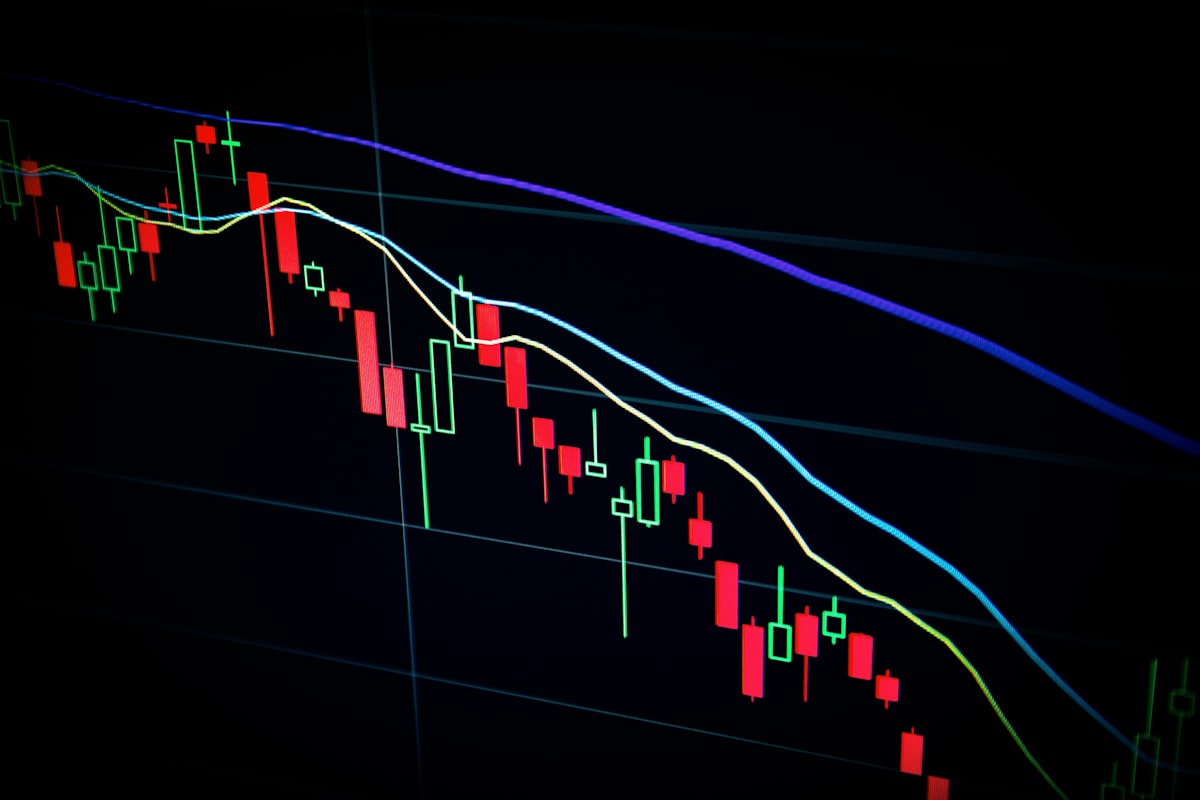
Gold is approaching what's called a "death cross" — a technical signal (a pattern on a price chart) where a short-term moving average drops below a long-term one. It sounds scary. But analysts are pointing out that historically, this signal has sometimes preceded gains in gold. It's a good reminder that headlines can be misleading, and context always matters.
Nike Beat Expectations — With an Asterisk
Nike reported earnings (its quarterly profit results) that crushed Wall Street's estimates. But here's the catch: a chunk of those profits came from a one-time tariff refund, not from selling more shoes. That's an important distinction. One-time windfalls don't repeat. Investors are right to read the fine print.
What This Means If You're Thinking About Trading
Today's market had a clear character: tech pushing higher, energy pulling back, and some macro (big-picture economic) uncertainty humming in the background. That's actually a rich environment for systematic trading — meaning strategies that follow rules, not gut feelings.
Two StratBeacon strategies fit today's conditions well:
- Volatility Scalping on TQQQ: TQQQ is a leveraged ETF (a fund that amplifies Nasdaq moves). StratBeacon's Volatility Scalping strategy automatically buys small dips and sells bounces across 88 preset price levels — no guessing required. On a day when tech is trending higher with brief pullbacks, this kind of strategy is in its element.
- High Confluence Signals: This strategy fires a buy alert only when multiple indicators — think price momentum, volume, and trend direction — all agree at the same time. It's designed to cut through the noise on days when the market is moving but the news is mixed. Fewer false alarms. More signal, less static.
StratBeacon shows you exactly when setups like this appear — free to try at stratbeacon.com
Trading involves risk. Past performance of any strategy does not guarantee future results. Always trade within your means.