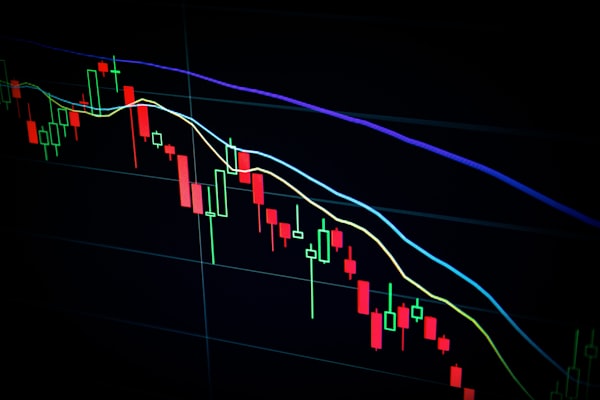
Nasdaq Slides for a Fourth Day: What's Actually Going On — and What to Do About It
Nasdaq falls for a 4th straight day as Microsoft stumbles and oil climbs. Here's what it means — and which setups traders are watching right now.

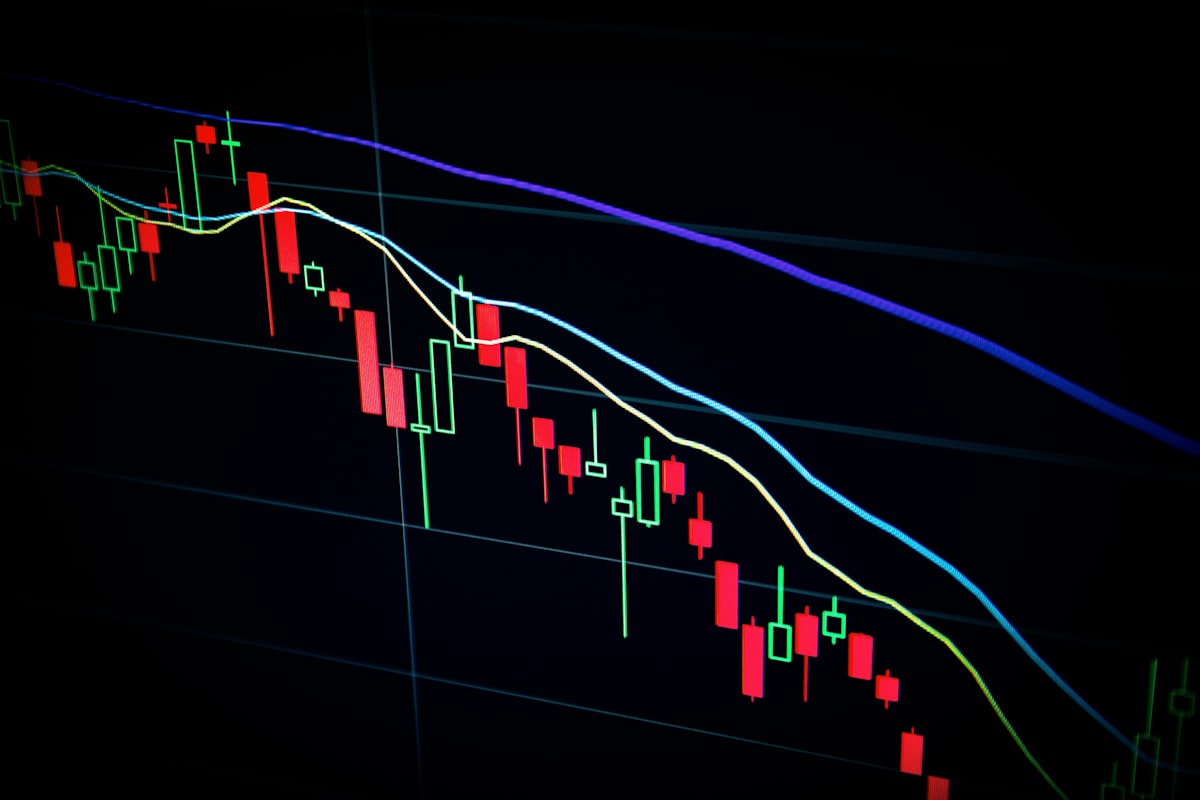
Thursday, June 25, 2026. The Dow Jones managed a tiny gain to close the day, but the tech-heavy Nasdaq dropped for the fourth session in a row. If you've been watching your portfolio and wondering why it feels like the air is slowly leaking out of a tire, this is why.
Tech Is Under Pressure — Here's the Simple Version
The biggest drag right now is companies like Microsoft, which is having its worst June in years. Why? Investors who used to love Microsoft for its steady cash flow (the money a company generates after paying its bills) are now watching it pour billions into data centers and AI infrastructure. One analyst put it bluntly: they're being asked to pay for a massive construction project before they see the returns. When a giant like Microsoft stumbles, it pulls the rest of tech with it.
At the same time, oil prices are climbing because Iran is tightening control over the Strait of Hormuz — the narrow waterway that a huge chunk of the world's oil passes through every day. Higher oil prices raise costs for businesses and consumers alike. That's the kind of background noise that makes investors nervous across the board.
Put it together: expensive tech stocks losing their shine, plus rising oil, plus four straight days of selling in the Nasdaq. Markets are jittery right now.
What This Means If You're Not Yet Trading
Here's the thing most new investors don't realize: choppy, uncertain markets aren't just a problem. They're also an opportunity — if you have a plan.
When the Nasdaq pulls back like this, two types of situations tend to emerge:
- Short-term dip-buying setups — prices fall to a level where buyers historically step back in, creating a quick bounce.
- Daily options income plays — when markets move sideways or in a defined range, certain options strategies (contracts that give you the right to buy or sell at a set price) can generate cash just by waiting out the day.
Two StratBeacon Strategies Built for Days Like This
Volatility Scalping on TQQQ
TQQQ is a fund that moves three times as fast as the Nasdaq — meaning when tech dips, TQQQ dips hard and fast. StratBeacon's Volatility Scalping strategy automatically buys those dips and sells the bounces using 88 preset price levels, so you're not guessing — the levels are already mapped out. Four consecutive down days in the Nasdaq means TQQQ has been getting hit. That kind of extended selling often sets up exactly the kind of snap-back bounces this strategy is designed to catch.
SPX 0DTE Options
SPX is the ticker for the S&P 500 index. 0DTE means options that expire the same day you trade them — no overnight risk. StratBeacon's SPX 0DTE strategy either collects income on quieter days or rides a trend when the market picks a direction. On a day when the Dow ekes out a small gain while the Nasdaq fades, the market is sending mixed signals — exactly the kind of environment where having a rules-based daily plan beats flying blind.
The Takeaway
Four straight down days in the Nasdaq, Microsoft dragging tech lower, oil creeping up on geopolitical tension — it sounds scary. But every one of those conditions creates a specific type of trading setup. The traders who profit in these environments aren't smarter than you. They just have a system telling them where to look.
StratBeacon shows you exactly when setups like this appear — free to try at stratbeacon.com
Trading involves risk of loss. Past strategy performance does not guarantee future results.