Oil Drops, Mood Check Ahead: What Friday's Market Signals Mean for You
Oil is sliding on U.S.-Iran peace deal hopes and consumer sentiment is due — here's what it all means and when to act.

It's Friday, June 12, 2026 — and the market has a few things on its mind. Let's break down what's actually happening and why it matters, even if you've never placed a trade in your life.
The Big Story: Oil Is Falling
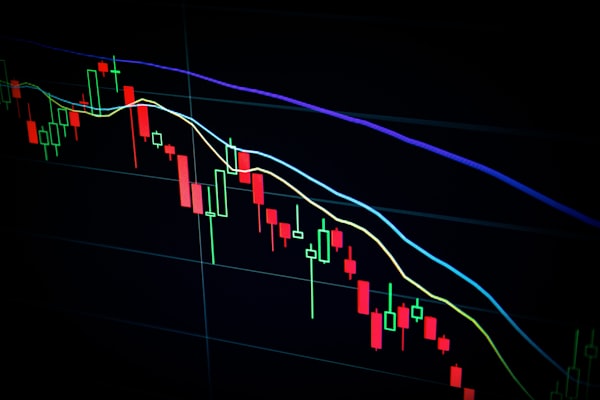
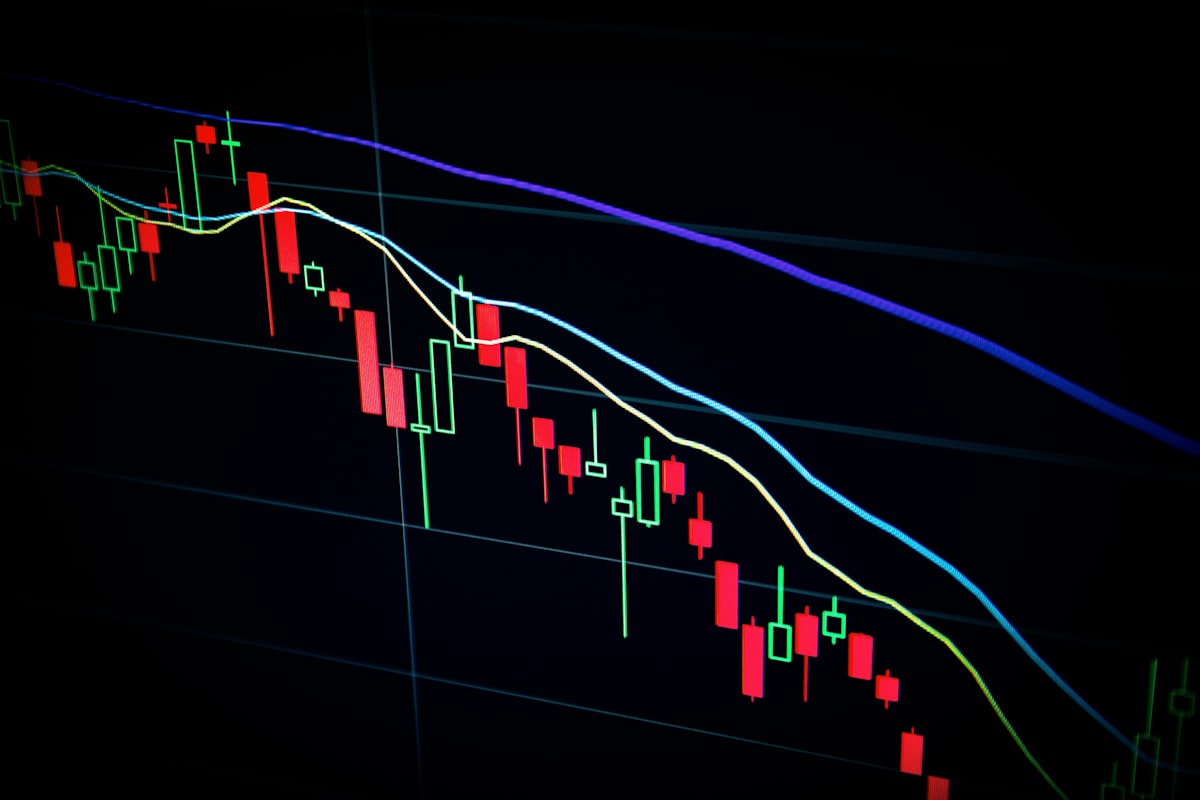
Oil prices dropped today after reports surfaced that the U.S. and Iran may be close to a peace deal. If a deal goes through, Iran could be allowed to sell its oil on global markets again. More oil supply generally means lower oil prices — and that's exactly what traders are pricing in right now.
West Texas Intermediate (WTI) — the U.S. benchmark price for a barrel of oil — slid alongside Brent crude, the global standard. Lower oil prices are a double-edged sword. They can be good for consumers (think cheaper gas) and many businesses. But they can also signal that traders are worried the global economy is slowing down, which reduces demand for energy in the first place.
For now, the move looks more optimistic than alarming. Peace progress tends to calm nerves — and calmer nerves tend to mean calmer markets.
The Other Thing to Watch: Consumer Mood
Later today, we get the latest consumer sentiment report — basically a survey that asks everyday Americans how they feel about the economy. Are they confident enough to spend money? Or are they tightening their belts?
This number matters more than most people realize. Consumer spending drives about 70% of the U.S. economy. When people feel good, they spend. When they spend, companies earn more. When companies earn more, stock prices tend to rise. It's a simple chain — and it starts with feelings.
If today's reading comes in strong, expect markets to take it as a green light. If it disappoints, you might see some afternoon wobble, especially in tech-heavy indexes like the Nasdaq.
The SpaceX Buzz
SpaceX is generating a lot of chatter this week. Prominent Silicon Valley investors are publicly debating what a potential IPO (an initial public offering — when a private company sells shares to the public for the first time) could look like. The excitement is real, but so is the uncertainty. One MarketWatch piece today asked the right question: what would investors actually be buying? That's always worth asking before jumping in on hype.
What This Means for Active Traders
A day like today — oil moving on geopolitical news, sentiment data on deck, markets watching and waiting — is exactly the kind of environment where having a structured plan beats guessing.
SPX 0DTE Options Strategy
StratBeacon's SPX 0DTE strategy trades options on the S&P 500 index that expire the same day they're opened. On quieter, range-bound days (when markets aren't swinging wildly), this approach is designed to collect income from time decay — the natural erosion in an option's value as its expiration approaches. When a trend does break out, the strategy is built to ride it. A calm Friday with a known data release is exactly the kind of setup this strategy was built for.
High Confluence Signals
StratBeacon's High Confluence Signal waits until multiple independent indicators — price, momentum, volume, and trend direction — all agree at the same time before firing a buy alert. On a day where the market is digesting mixed news (oil down, sentiment unknown), avoiding false starts is everything. This signal only speaks up when the evidence is stacked in your favor.
The Bottom Line
Lower oil prices, a pending consumer mood report, and a tech world buzzing about SpaceX — today is a good reminder that markets are always reacting to something. The traders who do well aren't the ones who predict the news. They're the ones with a system that tells them when to act and when to wait.
StratBeacon shows you exactly when setups like this appear — free to try at stratbeacon.com
Trading involves risk. Past performance of any strategy does not guarantee future results. Never trade with money you cannot afford to lose.