Stocks Drop Hard, Rate Fears Are Back — Here's What's Actually Happening
The Nasdaq just had its worst day since March. Rate hike fears are back — and here's what it actually means for your money.

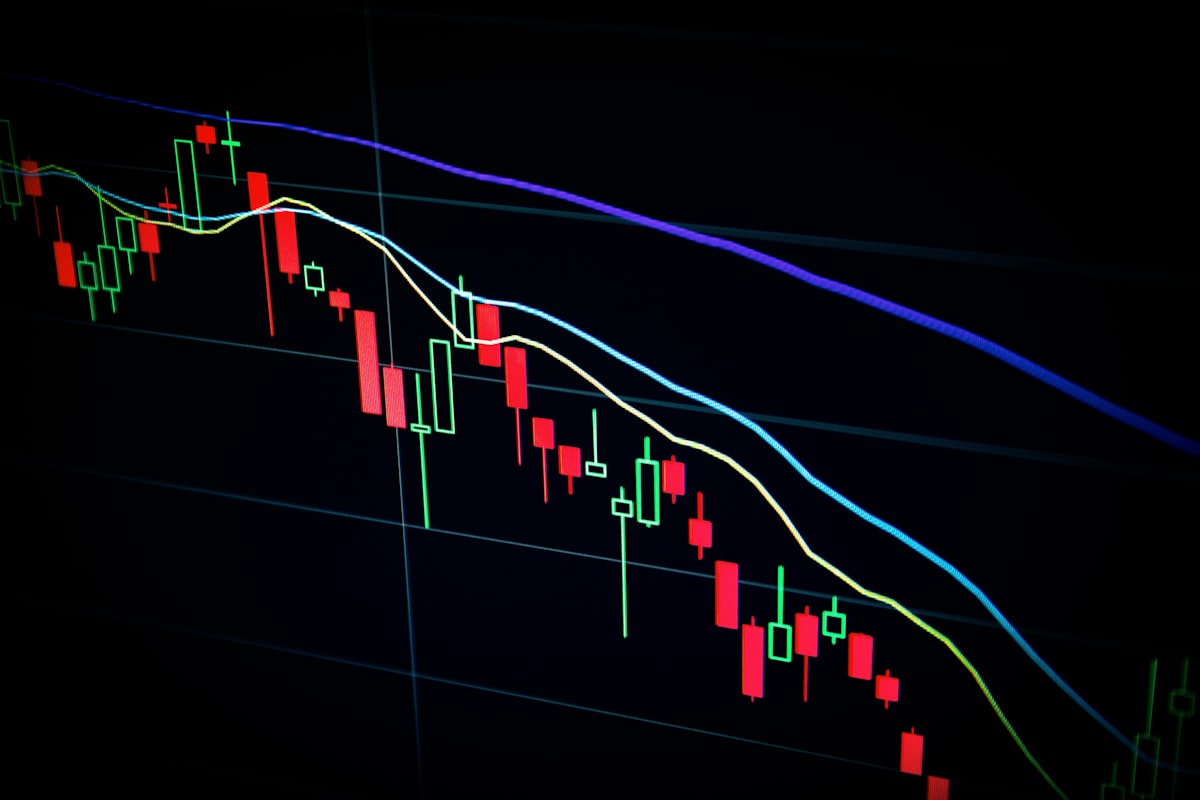
If you glanced at your portfolio today and felt a little queasy, you're not alone. Friday, June 5th turned into a rough day for stocks — especially tech. The Nasdaq just posted its steepest single-day drop since March. That's not a blip. That's a message worth understanding.
So What Happened?
It started with the jobs report. On the surface, it looked strong — almost too strong. When jobs numbers come in better than expected, it sounds like good news. And in normal times, it is. But here's the twist: a hot jobs market tells the Federal Reserve (the U.S. central bank that controls interest rates) that the economy doesn't need help cooling down. That means they might actually raise rates instead of cutting them.
Higher interest rates are like kryptonite for growth stocks — companies whose value is based on future profits. When rates go up, those future profits are worth less in today's dollars. That's why the Nasdaq, which is packed with tech companies, got hit the hardest today.
Bond traders — the investors who buy government debt and tend to have a good read on where rates are heading — are now pricing in a real chance of a rate hike before the end of 2026. That shift in thinking rippled straight into stocks.
Why Does This Feel So Familiar?
This is the push-and-pull that has defined markets for the past few years. Good economic news gets punished because it keeps the Fed from cutting rates. It feels backwards, but it's become the new normal. When traders say "the market is adjusting rate expectations," they mean exactly this: investors are repricing everything based on how they think the Fed will act next.
One name worth watching: Tesla. J.P. Morgan — one of Wall Street's biggest banks — just abandoned a long-standing bearish call (a prediction that the stock would fall) on Tesla. That kind of flip from a major institution usually signals a meaningful shift in sentiment, even on a down day for the broader market.
What Does This Mean for Active Traders?
Days like today are actually full of opportunity — if you know where to look and how to act fast.
Volatility Scalping on TQQQ
When the Nasdaq drops sharply, TQQQ — a leveraged ETF (a fund that magnifies the Nasdaq's daily moves by 3x) — swings hard in both directions. StratBeacon's Volatility Scalping strategy is built for exactly this environment. It automatically buys into dips and sells into bounces using 88 preset price levels, so you're not scrambling to make split-second decisions during a sell-off. The system handles it.
SPX 0DTE Options
Today also had big intraday movement in the S&P 500 (the index tracking America's 500 largest companies). StratBeacon's SPX 0DTE strategy trades options that expire the same day — known as "zero days to expiration" trades. On a trending day like today, these trades can ride the momentum in either direction. You don't need to guess which way the market will move; the strategy is designed to respond to what's actually happening, not what you hope will happen.
The Bigger Picture
Markets are entering a tricky stretch. Strong economic data, rate hike fears, and sharp tech sell-offs could easily become a recurring theme through summer. That's not a reason to panic. It is a reason to have a plan — and ideally, tools that execute that plan for you automatically.
The traders who do well in volatile markets aren't the ones glued to their screens all day. They're the ones with clear rules and strategies that remove emotion from the equation.
StratBeacon shows you exactly when setups like this appear — free to try at stratbeacon.com
Trading involves risk. Past strategy performance does not guarantee future results. Never trade with money you cannot afford to lose.