Stocks Slump for a Fifth Straight Day — Here's What's Really Going On
The S&P 500 just logged a 5-day losing streak as AI enthusiasm fades and geopolitical risk creeps back. Here's what it means in plain English.

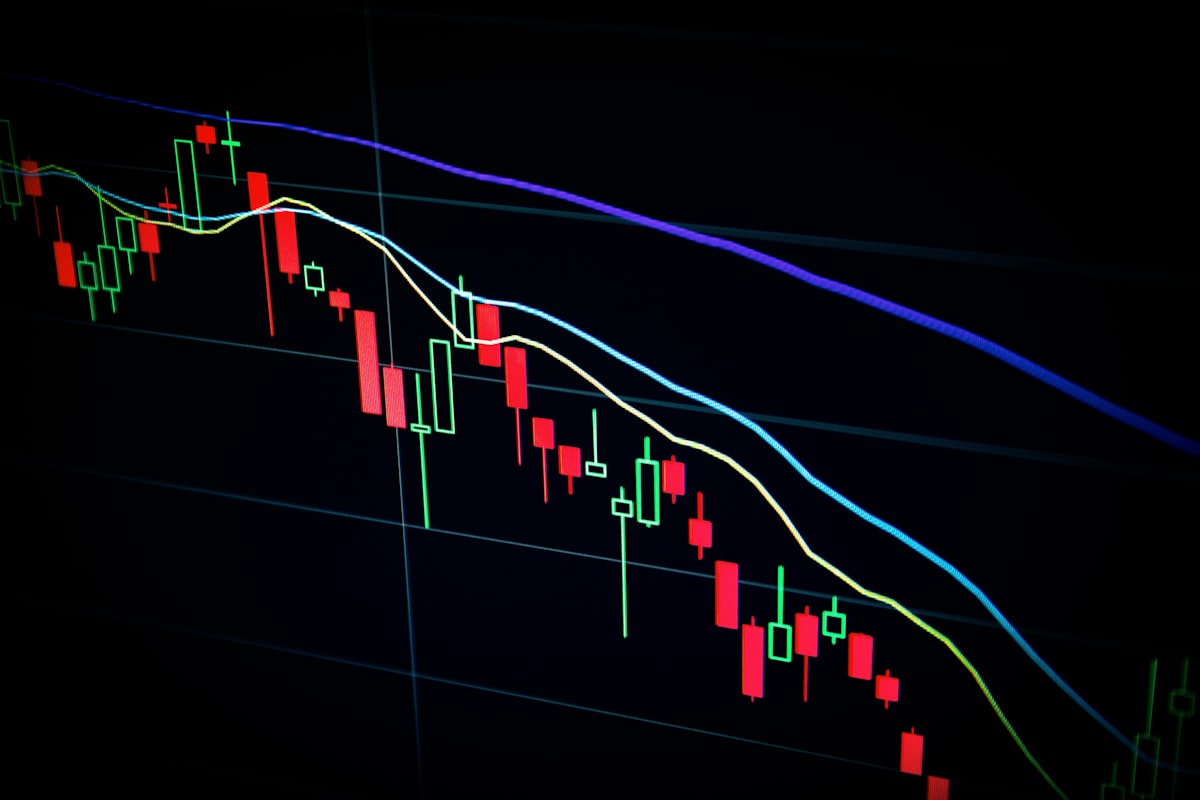
Friday closed with a whimper. The S&P 500 and Nasdaq both finished lower, capping a five-day losing streak — the longest back-to-back slide in months. The Dow followed suit, dropping in the final hour after stocks briefly looked like they might recover their morning losses. If you glanced at the market and felt confused, you're not alone. Let's break down what's actually happening.
The AI Trade Is Cooling Off
For the past couple of years, investors poured money into anything connected to artificial intelligence. Tech stocks surged. Valuations stretched. It felt like the party would never end. But cracks are starting to show.
This week, SpaceX — Elon Musk's rocket and satellite company — launched a massive $25 billion bond deal (a bond is basically a loan investors give to a company in exchange for regular interest payments). The catch? Those bonds are already trading at prices that suggest investors are getting nervous. When bond prices fall shortly after a deal launches, it's a signal that buyers are demanding higher returns to take on the risk. Translation: the appetite for big, speculative bets on high-profile tech names is weakening.
That kind of hesitation tends to ripple across the whole market. If investors are pulling back from something as buzzworthy as SpaceX, it tells you something about the broader mood.
Geopolitical Noise Is Back
Meanwhile, a fresh attack on ships in a key waterway has rattled the shipping-insurance market. War-risk premiums (the extra cost insurers charge to cover ships sailing through dangerous zones) had just started falling. Now they could spike again. This matters because shipping disruptions push up the cost of goods, which feeds back into inflation — and inflation is still the thing central banks, and therefore markets, care about most.
Geopolitical flare-ups like this are hard to predict and even harder to trade around. But they add to a general sense of uncertainty, and uncertain markets tend to move sharply in both directions.
What This Means for Regular Investors
Here's the simple version: the market isn't in free-fall, but it's not in a clean uptrend either. It's choppy. Stocks pop in the morning, then fade by the afternoon. Investors are second-guessing each other. That's the kind of environment where emotional, reactive trading gets people into trouble.
The good news? Choppy, uncertain markets are actually where systematic strategies — ones that follow rules instead of gut feelings — tend to shine.
Two Strategies Built for Exactly This
Volatility Scalping on TQQQ
TQQQ is a leveraged ETF (exchange-traded fund) that moves at three times the speed of the Nasdaq. In a choppy market, it swings up and down constantly. StratBeacon's Volatility Scalping strategy is designed for this — it automatically buys those dips and sells the bounces using 88 preset price levels, so you're not guessing. The system does the watching for you.
SPX 0DTE Options
0DTE stands for "zero days to expiration" — these are options contracts that open and close within the same trading day. In a calm or slowly grinding market, StratBeacon's SPX 0DTE strategy generates income from that daily movement. When a real trend does break out, it's built to ride that move too. It's a flexible tool for exactly the kind of mixed signals we're seeing right now.
The Bottom Line
Five down days in a row. AI enthusiasm cooling. Geopolitical risk creeping back in. None of this means disaster — but it does mean that flying blind in this market is riskier than usual. The traders who hold an edge right now aren't the ones glued to CNBC. They're the ones with a clear, rule-based plan.
StratBeacon shows you exactly when setups like this appear — free to try at stratbeacon.com
Trading involves risk of loss. Past performance of any strategy does not guarantee future results.