Stocks Stumble Into H2 2026: What Today's Selloff Means for Everyday Investors
Stocks stumbled on the first day of H2 2026 — Fed remarks, jobs data, and record retail crowding set a choppy tone. Here's what it means.

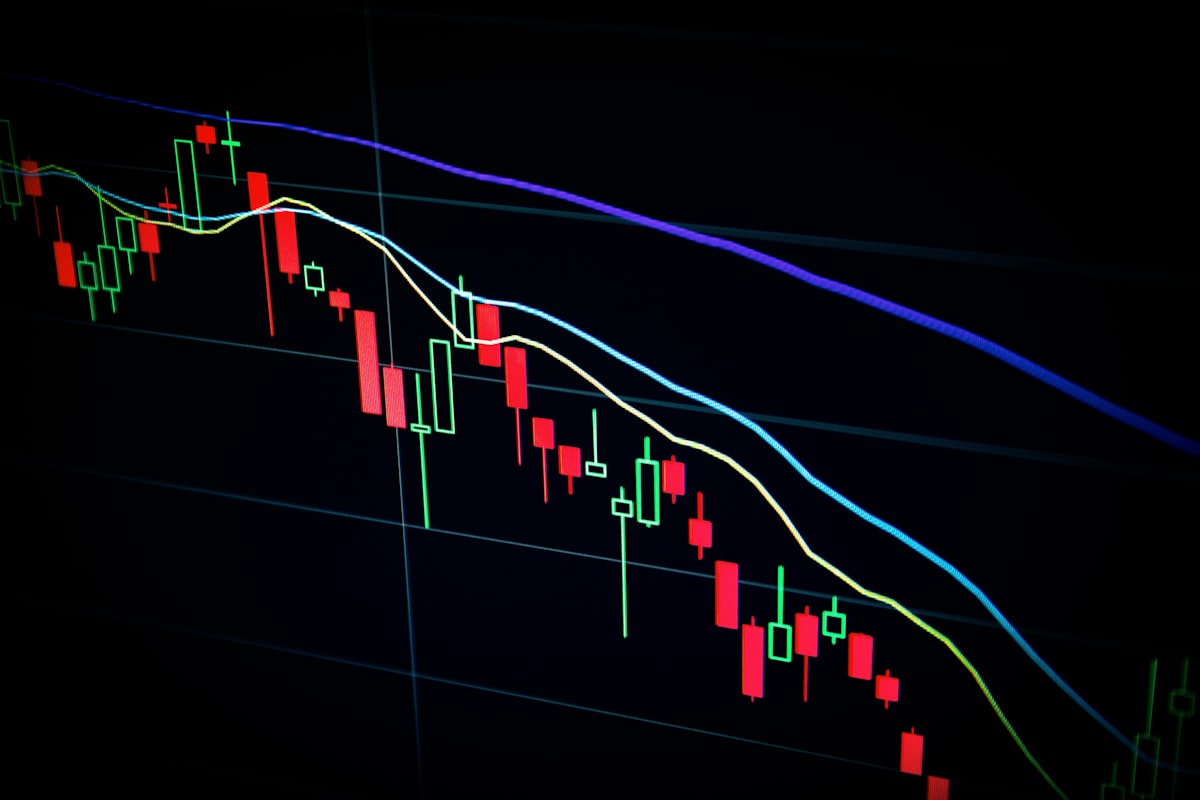
The stock market doesn't always ring in the new half of the year with champagne. Today it rang it in with a retreat. The Dow Jones Industrial Average — which tracks 30 big American companies — pulled back from all-time highs to close lower on the first trading day of the second half of 2026. The Nasdaq, which is heavy on tech stocks, dropped too, rattled by remarks from Fed official Kevin Warsh and a fresh jobs report that gave investors a lot to think about.
Here's the plain-English version of what happened and why it matters.
Why Did Stocks Fall Today?
Two things spooked the market: comments from Kevin Warsh (a prominent Federal Reserve figure) and new jobs data. When Fed officials speak, markets listen — because what the Fed does with interest rates (the cost of borrowing money) ripples through every corner of the economy. If Warsh signaled rates might stay higher for longer, that's a reason for investors to get cautious. Higher rates make it more expensive for companies to borrow and grow, so stock prices tend to get squeezed.
The jobs data added another wrinkle. A strong job market can actually be a bad thing for stocks in the short term — counterintuitive, right? Here's why: if people are employed and spending, inflation (rising prices) can stick around, which gives the Fed a reason to keep rates elevated. So good news for workers can be complicated news for markets.
The result? A choppy, uncertain open to the second half of 2026.
The "Dumb Money" Problem
There's another storyline worth watching. MarketWatch highlighted five charts showing that record levels of so-called "dumb money" — a term Wall Street uses (somewhat uncharitably) for retail, or everyday, investors — are flooding into the stock market. When too many people pile into stocks at the same time, especially near all-time highs, it can set the stage for sharper pullbacks when sentiment shifts. It doesn't mean a crash is coming. It means the market is crowded, and crowded markets tend to be volatile ones.
What About Meta?
Meta's stock got a pop today on reports it's exploring a new cloud-computing venture. But Wall Street is divided. Some analysts see this as a smart business move. Others worry it signals that Meta's internal AI products aren't gaining the traction the company hoped for. It's a reminder that even the biggest tech names carry real uncertainty — and that stock prices can move fast on rumors alone.
What This Means If You're Thinking About Trading
Days like today — pullbacks from highs, choppy price action, macro uncertainty — are exactly the kind of environment that separates guesswork from strategy.
Two StratBeacon approaches are built for moments like this:
- Volatility Scalping on TQQQ: This strategy automatically buys small dips and sells bounces across 88 preset price levels on TQQQ (a fund that amplifies Nasdaq moves). When the market gets choppy instead of trending cleanly, this approach is designed to grind out small gains from all that back-and-forth movement — without you having to watch the screen all day.
- High Confluence Signals: This fires a buy alert only when multiple independent indicators all agree at the same time. Think of it like needing three witnesses instead of one. In uncertain markets where false signals are everywhere, waiting for confluence (agreement across multiple data points) is a smarter filter than reacting to every wiggle.
Neither strategy asks you to predict the future. They ask the market to show its hand first, then act.
The Bottom Line
The first day of H2 2026 was a reminder that markets don't go up in a straight line — even when they're near record highs. Warsh's comments, the jobs data, and a crowded retail investor base all added up to a cautious, lower close. That's not a disaster. It's just the market doing what it does: creating uncertainty, and within that uncertainty, creating opportunity.
StratBeacon shows you exactly when setups like this appear — free to try at stratbeacon.com
Trading involves risk. Past strategy performance does not guarantee future results. Never trade with money you cannot afford to lose.