Tech Bounces Back, But Inflation Is Lurking — Here's What It Means for You
Tech snapped back Monday, but a possible 4% inflation print this week could flip the mood fast. Here's what's moving markets — in plain English.

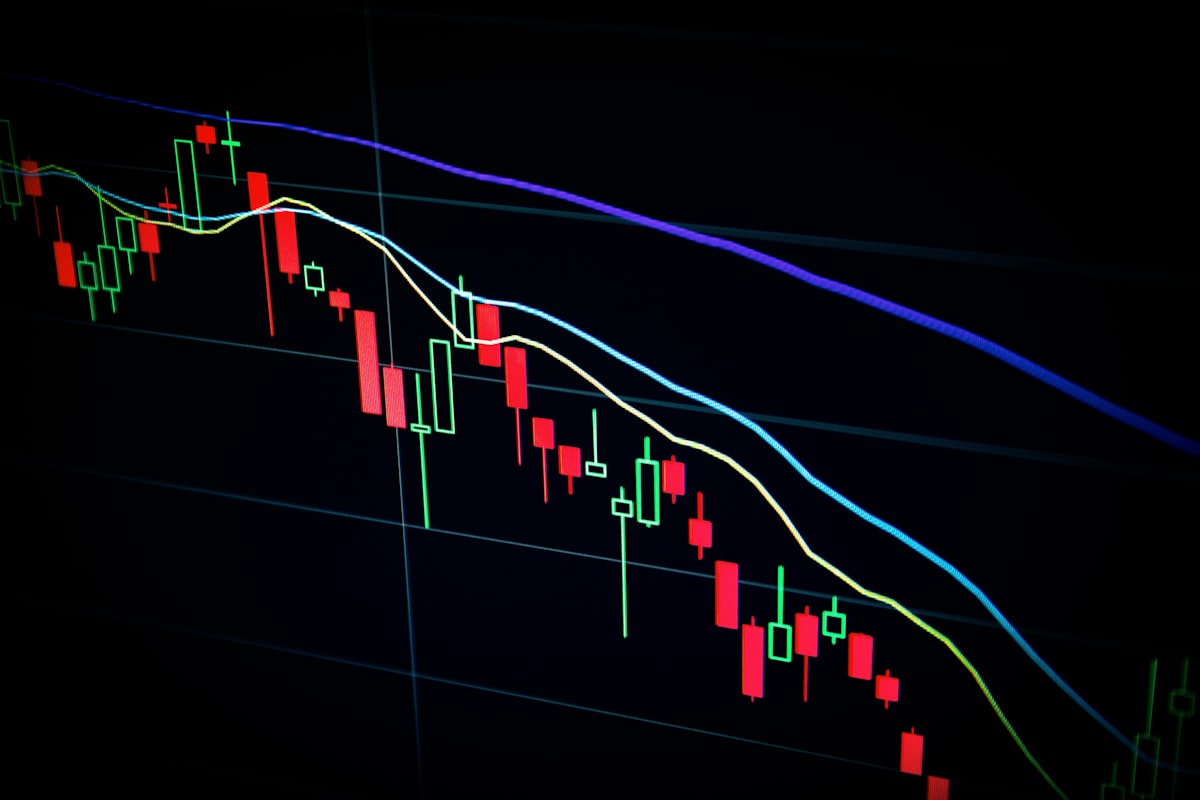
Monday was a tale of two forces. Stocks mostly recovered from Friday's selloff, led by a strong rebound in tech. But hanging over the whole rally was a single uncomfortable question: what happens when inflation data drops this week and it's ugly?
Let's break both of those down.
Tech Bounced. Here's Why That Matters.
Friday spooked a lot of investors. Tech stocks sold off hard, and the Nasdaq (the index that tracks companies like Apple, Nvidia, and Microsoft) took a hit. Monday, those same stocks came roaring back. Part of that momentum came from Apple's annual WWDC developer conference, where the company showed off new AI-powered upgrades to Siri and Safari. The market liked what it saw.
This kind of sharp drop followed by a sharp recovery has a name: mean reversion. It's the idea that prices tend to snap back toward normal after moving too far in one direction. Think of a rubber band — stretch it too far, and it pulls back. That's exactly what happened Monday in tech.
These quick bounces are actually one of the cleaner setups for active traders. StratBeacon's Volatility Scalping strategy is built for exactly this kind of environment — it automatically buys dips and sells bounces on TQQQ (a fund that amplifies the Nasdaq's daily moves) using 88 preset price levels, so you don't have to sit at a screen watching tick by tick.
Inflation Could Hit 4% This Week. That's a Big Deal.
Here's the other story. Inflation data is expected this week, and some analysts think it could come in above 4%. To put that in perspective, the Federal Reserve's (the U.S. central bank) target is 2%. Anything meaningfully above that tends to make investors nervous — because it usually means higher interest rates for longer, which is expensive for businesses and tends to weigh on stocks.
Bond investors (people who lend money to the government in exchange for regular interest payments) are already signaling concern. They want the new Fed Chair, Kevin Warsh, to make it crystal clear he'll raise rates if needed to fight inflation. That kind of uncertainty makes markets jumpy.
When markets get jumpy, the VIX — the market's "fear gauge," which measures how much volatility traders expect in the near future — tends to spike. And when volatility spikes, daily options strategies either get crushed or become incredibly powerful, depending on how they're designed.
StratBeacon's SPX 0DTE strategy trades daily options on the S&P 500 (the index tracking America's 500 largest companies). On calm days, it generates steady income. On trending days — like a big inflation-driven move — it's built to ride that momentum instead of fight it. Either way, it has a plan for what the market throws at it.
So What Should You Be Watching?
This week is a coin flip. If inflation comes in hot, expect volatility. If it surprises to the downside, tech could keep running. Either scenario is tradeable — but only if you have a system that tells you when and where to act.
- Watch the inflation print — a number above 4% could rattle bonds and stocks alike
- Watch the Nasdaq — the rebound is real, but it's fragile if rates rise
- Watch volatility — a rising VIX is a signal to be ready, not to panic
The traders who do well in weeks like this aren't the ones glued to the news. They're the ones with a strategy already in place before the data hits.
StratBeacon shows you exactly when setups like this appear — free to try at stratbeacon.com
Trading involves risk. Past performance of any strategy does not guarantee future results. Only trade with capital you can afford to lose.