Tech Stocks Are Sliding — Here's What's Actually Happening
Tech stocks are sliding and semiconductors are leading the drop. Here's what's driving it — and how systematic traders approach days like this.

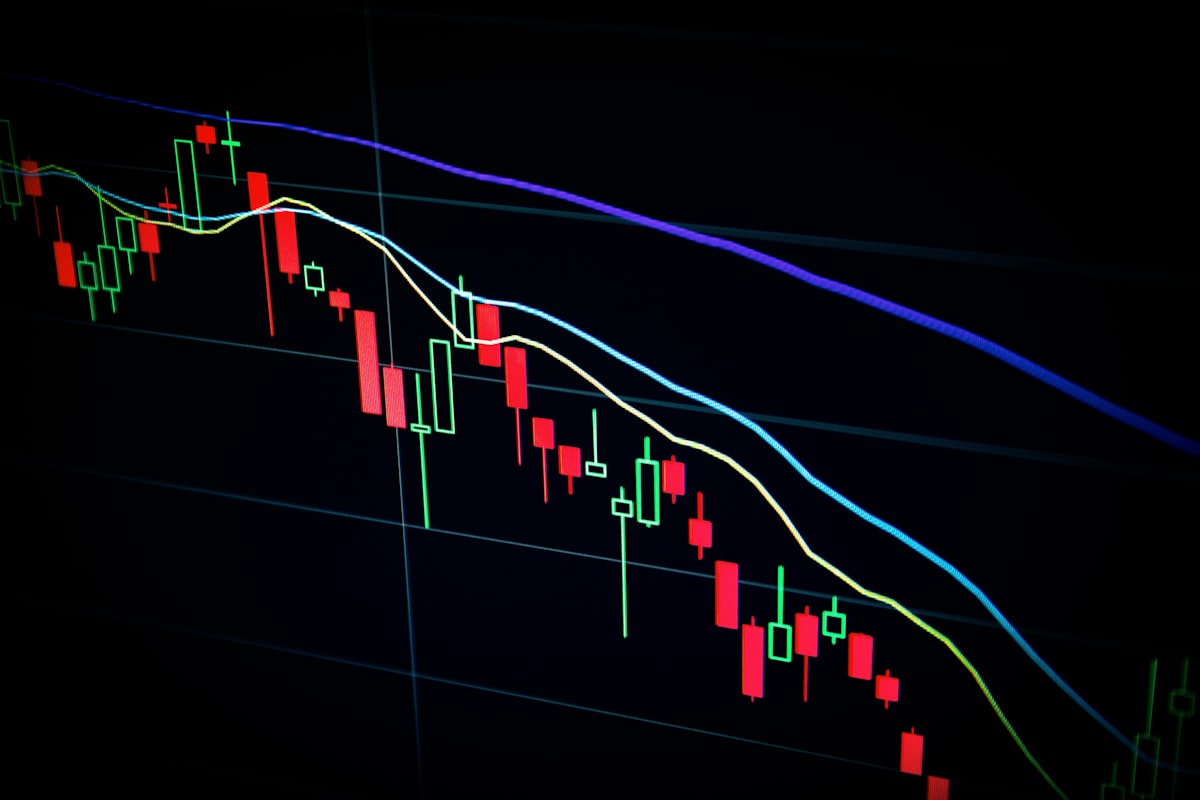
If you glanced at the market today and thought, "wait, is something wrong?" — you weren't imagining it. Tuesday, June 23, 2026 is a down day for tech, and it's worth understanding why.
The Semiconductor Slump Is Dragging Everything Down
The Nasdaq — the stock index most loaded with technology companies — opened lower this morning, and the main culprit is semiconductors. Semiconductors are the chips inside every smartphone, laptop, and AI server on the planet. When chip stocks sneeze, the whole tech market tends to catch a cold.
Why are chip stocks falling? In short: after a massive two-year run, some investors are deciding the prices got too high. When enough people sell at once, prices drop quickly — and others follow. That's the basic mechanics of a selloff.
The bigger question everyone is asking right now is: is this the beginning of a real correction, or just a pause? A correction, in plain terms, means a meaningful drop — usually 10% or more — after a long climb. A pause just means the market catches its breath before moving higher again. Right now, nobody knows which one this is. That uncertainty is exactly what makes today interesting.
SpaceX Had a Rough Day Too
SpaceX, fresh off its recent Nasdaq IPO (an IPO is when a private company sells shares to the public for the first time), briefly dipped below the price it debuted at. That's a symbolic moment — it means early retail buyers who got in at the open are now sitting at a loss, at least temporarily. The stock recovered into positive territory by mid-afternoon, but the dip was a reminder that even the most exciting new stocks aren't immune to a rough tape — trader-speak for a market that's broadly moving lower.
What This Kind of Day Actually Looks Like in Trading
Days like today have a pattern. The market opens weak. Prices drop fast in the first hour. Then the question becomes: do buyers step in, or does selling continue? This push-and-pull creates the kind of sharp moves — both down and back up — that certain strategies are specifically built for.
Two StratBeacon strategies are particularly relevant on a day like this:
Volatility Scalping on TQQQ
TQQQ is a leveraged fund that moves three times as much as the Nasdaq. On a volatile day, that means bigger swings — in both directions. StratBeacon's Volatility Scalping strategy automatically buys those dips and sells the bounces using 88 preset price levels, so you're not guessing. You're following a systematic plan built for exactly this kind of choppy action.
High Confluence Signals
When the market is uncertain, you don't want to act on just one indicator. StratBeacon's High Confluence Signals only fire a buy alert when multiple indicators — think price momentum, volume, and trend direction — all agree at the same moment. That means fewer false alarms and more confidence when a signal does appear. On a day when the market could go either way, that kind of filter matters.
The Bottom Line
Today's drop isn't necessarily the beginning of a crash, but it's not nothing either. Tech ran hard for two years. Some air coming out of the balloon is normal — and in some ways, healthy. The traders who handle days like this well aren't the ones who panic or guess. They're the ones with a clear system that tells them exactly what to do when prices move.
StratBeacon shows you exactly when setups like this appear — free to try at stratbeacon.com
Trading involves risk. Past strategy performance does not guarantee future results. Never trade with money you can't afford to lose.