Tech Stocks Just Had a Rough Day. Here's What It Actually Means.
The Nasdaq dropped 2%+ as tech stocks sold off hard. Here's what it means in plain English — and how traders are playing it.

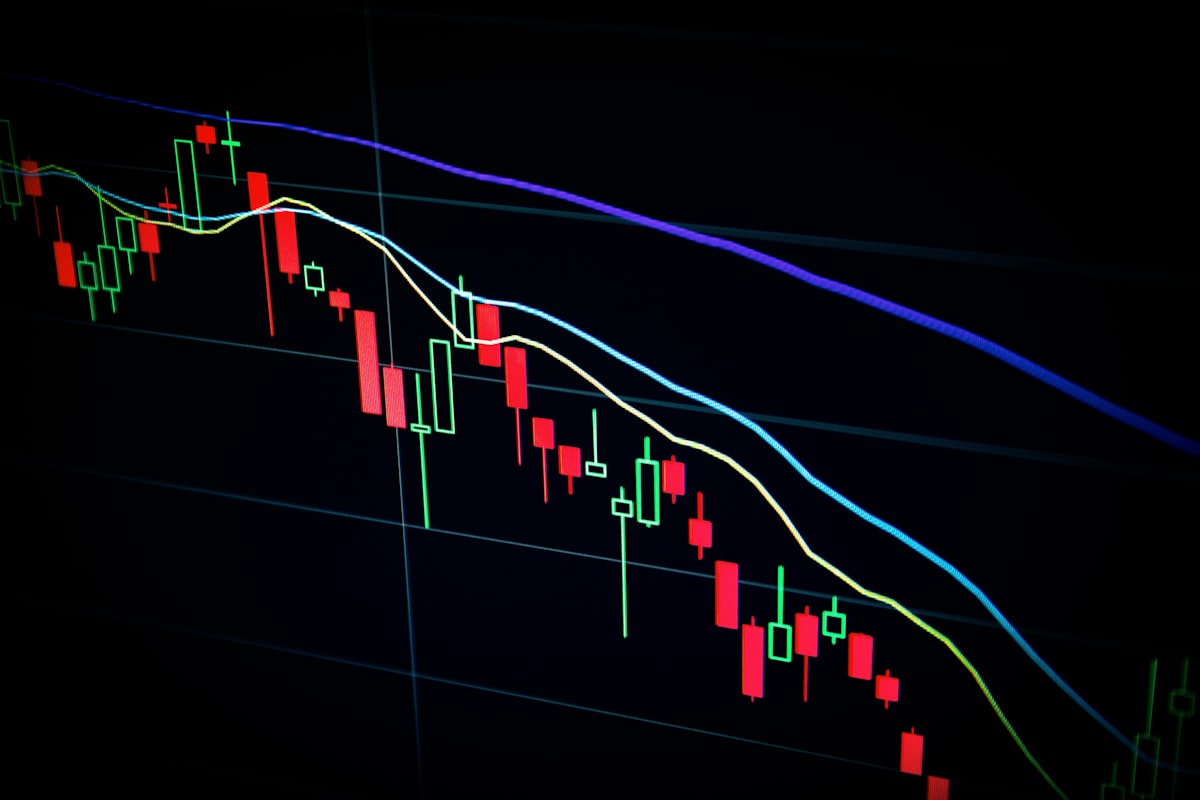
Tuesday, June 23, 2026. If you checked your portfolio today and felt a little queasy, you're not alone. The Nasdaq — the index packed with big tech companies — closed down more than 2%. The S&P 500, the broader measure of the U.S. stock market's health, also dropped sharply. The culprit? A swift, broad selloff in tech stocks that hit Wall Street hard in the final hours of trading.
So What Actually Happened?
The stocks leading today's drop are part of a group Wall Street calls the "Magnificent Seven" — the seven giant tech companies (think the Nvidias, Apples, and Microsofts of the world) that have driven most of the market's gains over the past few years. When these stocks sneeze, the whole market catches a cold.
Today they sneezed hard. Investors started asking a fair question: Have these stocks simply gotten too expensive? After years of remarkable gains, some people are taking profits — selling shares that have risen a lot to lock in their gains. That selling pressure drags prices down quickly.
Here's the thing though: not everyone is panicking. Several analysts are pointing out that a pullback like this can actually be a healthy sign. Markets that go straight up without pausing tend to be more fragile. A breather — even a sharp one — can reset expectations and set the stage for the next move up. Think of it like a rubber band: a little snap back creates tension for the next stretch forward.
Is This a Crash or Just a Pause?
Honestly? Nobody knows for certain, and anyone who claims they do is guessing. What we can say is that the debate right now is between two camps:
- Camp A: This is an overdue correction (a normal decline of 10% or more after a big run-up) and a chance to buy at better prices.
- Camp B: This is the start of something bigger — a market finally reckoning with high valuations and uncertainty.
Both camps have smart people in them. That uncertainty is exactly why having a rules-based plan matters more than having an opinion.
What Does This Mean for Traders?
Days like today are where strategy either saves you or costs you. Two StratBeacon tools are built precisely for moments like this.
Volatility Scalping on TQQQ
TQQQ is a leveraged ETF (a fund that magnifies the Nasdaq's daily moves — gains and losses). When the Nasdaq drops sharply like it did today, TQQQ moves even harder. StratBeacon's Volatility Scalping strategy uses 88 preset price levels to automatically buy into those dips and sell the bounces — no guesswork, no emotion, no staring at charts all day. On a volatile day like today, those levels can fire multiple times.
High Confluence Signals
Sharp selloffs create moments where several indicators (tools that track price momentum, trend direction, and market strength) all line up at once. StratBeacon's High Confluence Signals strategy only fires a buy alert when multiple indicators agree simultaneously — filtering out the noise and flagging only the setups with the strongest case behind them. In a choppy, uncertain tape like today's, that kind of filter is worth its weight in gold.
The Takeaway
Tech sold off hard. The debate about whether it goes lower or bounces is real and unresolved. But here's what's clear: markets like this reward people with a plan and punish people who react on emotion. You don't need to predict the next move — you need a system that responds to it intelligently.
StratBeacon shows you exactly when setups like this appear — free to try at stratbeacon.com
Trading involves risk of loss. Past strategy performance does not guarantee future results.