Tech Stumbles, Micron Shines, and a Fed Warning Nobody Saw Coming
Tech sold off, the Fed just dropped a rate-hike warning, and Micron surged after earnings. Here's what it all means — in plain English.

Wednesday, June 24, 2026
What Happened Today
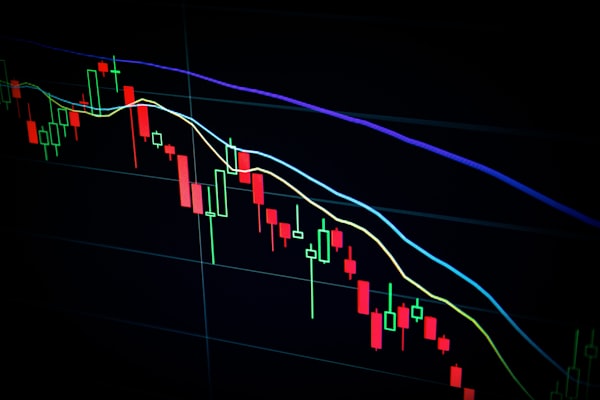
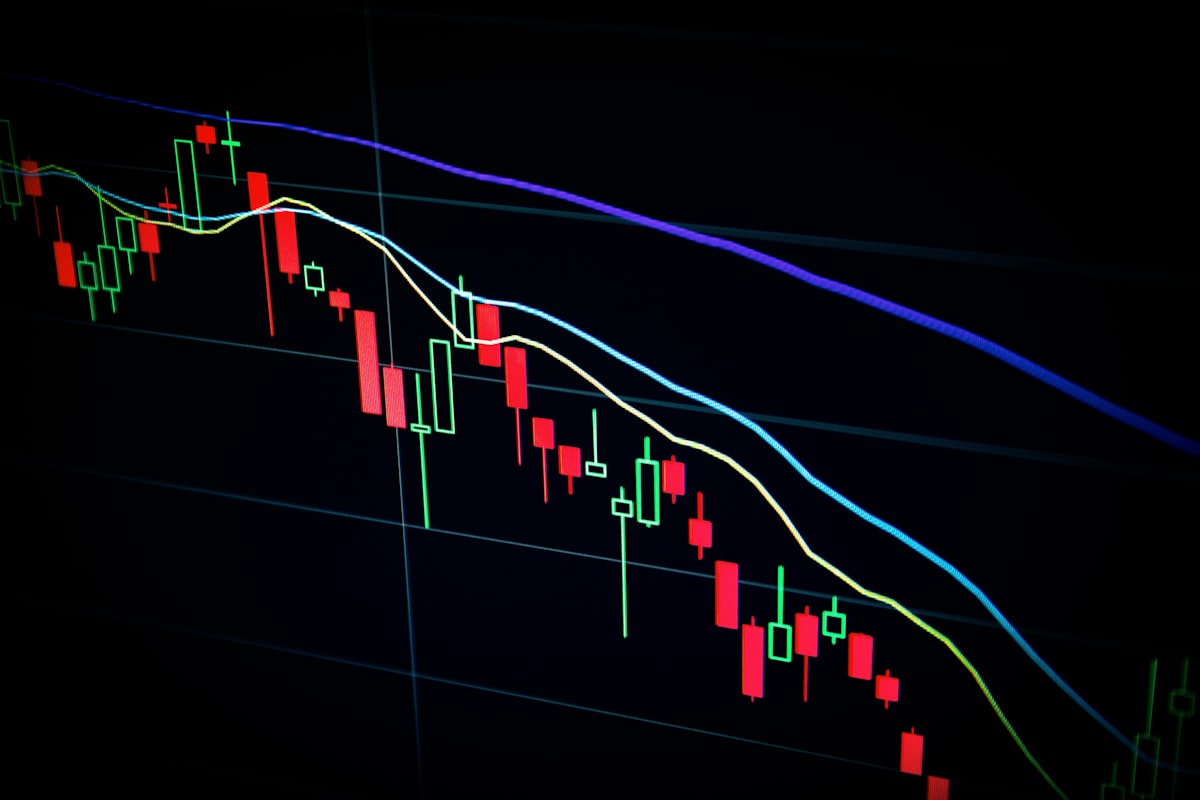
It was a tale of two markets on Wednesday. The Dow — the index that tracks 30 big, established companies like McDonald's and JPMorgan — managed a small gain. But the S&P 500 and Nasdaq, which lean heavier on tech, closed in the red. Morning optimism faded fast, and by the final hour both indexes were sitting at their lows of the day.
What killed the mood? Two things: a tech selloff that picked up steam through the afternoon, and a quietly alarming story about the Fed — the U.S. central bank that controls interest rates.
The Fed Story You Should Actually Pay Attention To
A MarketWatch report flagged something most casual investors missed: hidden triggers inside the PCE report — that's the Personal Consumption Expenditures index, the Fed's preferred way to measure inflation — could force the Fed to raise interest rates again.
Wait, aren't rates already high? Yes. And the market had been quietly hoping for cuts. A rate hike would flip that script entirely.
Here's why that matters to you even if you don't own a single stock: higher interest rates make borrowing more expensive for companies. That squeezes profits. Lower profits mean lower stock prices. Tech stocks — which often trade on future earnings potential — get hit hardest because investors become less willing to pay a premium for promises about tomorrow.
That's a big part of why tech sold off today. The mere possibility of a hike was enough to spook the room.
The One Bright Spot: Micron
Not everything went down. Micron Technology — a major maker of computer memory chips — dropped its latest earnings report after the close, and the stock jumped. Earnings reports are essentially a company's report card: revenues, profits, and guidance for what's coming next. Micron's numbers apparently impressed investors enough to push shares higher even while the rest of tech was stumbling.
It's a good reminder that even in a rough market, individual stocks can still pop. Knowing when to act on those moves — not just that they happened — is where most people get stuck.
What This Means for Active Traders
Days like today are actually useful for understanding two distinct kinds of market environments — and why having a strategy for each matters.
When markets chop sideways or dip: Volatility Scalping on TQQQ
TQQQ is a leveraged fund (meaning it moves three times as much as the Nasdaq). StratBeacon's Volatility Scalping strategy uses 88 preset price levels to automatically buy small dips and sell the bounces — no guessing, no watching a screen all day. On a choppy, indecisive day like today, that kind of systematic approach can find edges that emotion-driven traders miss.
When uncertainty spikes: SPX 0DTE
The SPX 0DTE strategy trades daily options on the S&P 500 — contracts that expire the same day they're opened. In calmer conditions, these trades generate steady income. When the market trends hard (up or down), the strategy can ride that move instead. A day where the S&P 500 drifts lower all afternoon is exactly the kind of directional environment this strategy is built to handle.
The Bottom Line
Wednesday handed us a nervous market: tech under pressure, a potential Fed curveball on the horizon, and one standout winner in Micron. That combination — broad uncertainty with pockets of opportunity — is exactly when having a clear, rules-based strategy separates people who act confidently from those who just watch and wonder.
StratBeacon shows you exactly when setups like this appear — free to try at stratbeacon.com
Trading involves risk. Past strategy performance does not guarantee future results. Never trade with money you cannot afford to lose.