Tech Whiplash, Rising Inflation, and What It All Means for Your Money — June 9, 2026
The Nasdaq swung from gains to a 2% drop in one afternoon. Inflation is heating back up. Here's what it means — and how traders stay ready.

Tuesday was a tale of two markets — and it happened in the same afternoon.
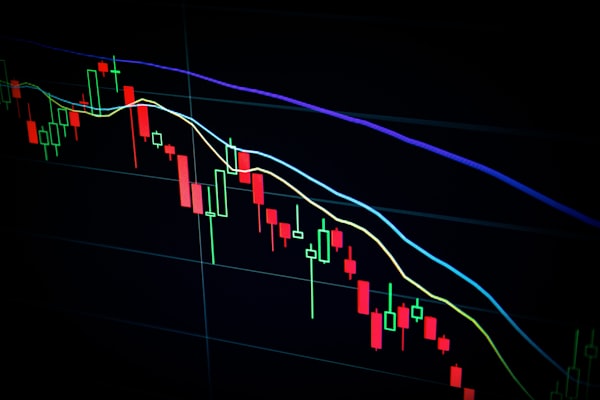
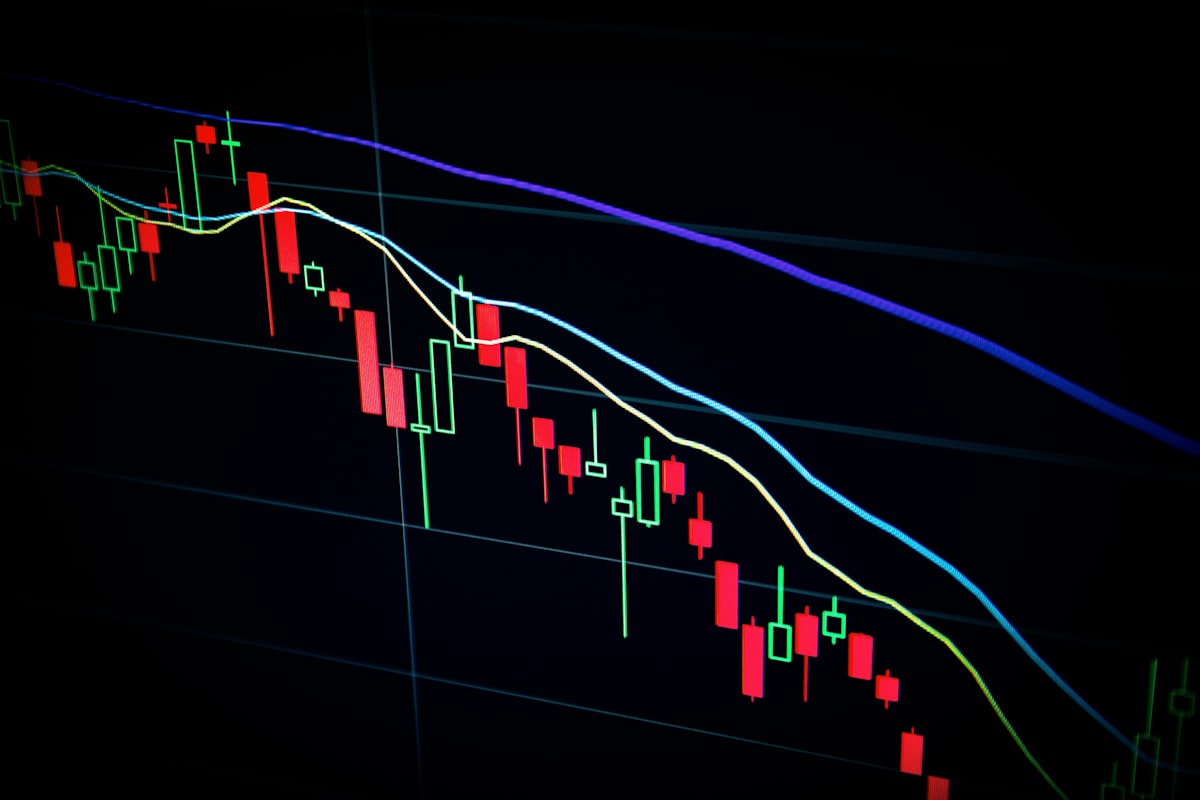
The day started with promise. The Dow, S&P 500, and Nasdaq all opened higher, with tech stocks leading the charge. Investors felt good. Then, around midday, the mood flipped. The Nasdaq — the index that tracks most big tech companies — tumbled nearly 2% as a sudden selloff picked up steam. If you watched your portfolio tick down for no obvious reason, here's what happened.
Three Things Rattling Markets Right Now
1. Inflation Is Creeping Back Up
New forecasts suggest inflation — the rate at which everyday prices rise — is on track to top 4%. That's a big deal. When inflation runs hot, the Federal Reserve (the U.S. central bank that sets borrowing costs) has to decide whether to raise interest rates again to cool things down. Higher rates make it more expensive for companies to borrow money and grow, which tends to drag stock prices lower. Markets hate uncertainty, and right now there's plenty of it.
2. Tech Had a Rough Afternoon — But Apple Might Be Different
The broad tech selloff stung, but one headline cut against the grain: analysts are arguing that Apple's push into AI could trigger a historic upgrade cycle — meaning millions of people buying new iPhones all at once — that the market is almost completely ignoring. If they're right, today's dip in Apple could look like a bargain in hindsight. That's a big "if," but it's worth watching.
3. Oil and Railroads Are Quiet Wildcards
Oil prices have stayed surprisingly steady despite fears of an energy crisis. Experts say the workarounds keeping prices calm won't last forever — a reckoning may be coming. Meanwhile, Congress is pushing new regulations on railroads, a backbone of the U.S. economy. Neither story is screaming crisis today, but both are the kind of slow-moving pressure that can quietly build and then suddenly matter a lot.
So What Does This Mean for Someone Thinking About Trading?
Days like today — where markets open up, reverse hard, and leave everyone confused — are exactly the kind of environment that separates disciplined traders from everyone else. The key is having a plan before the chaos starts, not during it.
Two StratBeacon strategies are built for days exactly like this one.
Volatility Scalping on TQQQ
TQQQ is a leveraged fund (meaning it moves 3x as much as the Nasdaq) that swings hard on days like today. StratBeacon's Volatility Scalping strategy automatically buys dips and sells bounces across 88 preset price levels — no guessing, no emotion, just a system working the swings for you. A nearly 2% Nasdaq drop creates exactly the kind of dip this strategy is designed to catch.
High Confluence Signals
When markets are noisy and mixed — up in the morning, down by lunch — most individual signals are unreliable on their own. StratBeacon's High Confluence Signal only fires a buy alert when multiple indicators all agree at the same time. Think of it as waiting until the evidence is overwhelming before acting. In a choppy, inflation-nervous market, that kind of filter is worth its weight in gold.
The Bottom Line
Markets are sending mixed signals right now. Inflation is rising. Tech is selling off even as some of its biggest players may be on the verge of a breakout. Oil and rail policy add more background noise. This is the kind of environment where most people freeze — or worse, react emotionally and make costly mistakes.
The traders who do well in markets like this aren't smarter. They just have better tools and clearer rules.
StratBeacon shows you exactly when setups like this appear — free to try at stratbeacon.com
Past performance is not indicative of future results. Trading involves risk of loss and may not be suitable for all investors.