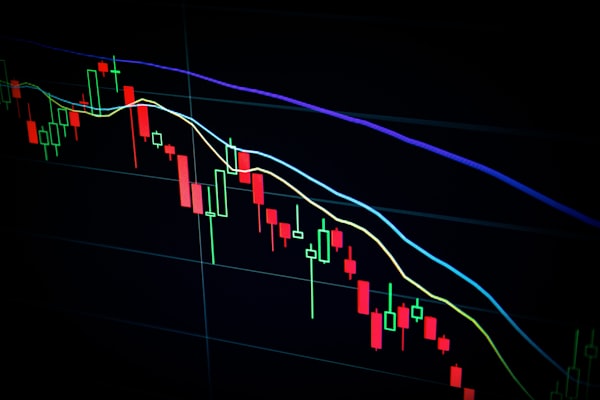
Tech's "Safe Trade" Illusion — And What Smart Traders Are Watching Instead
Tech feels like the safe trade — but one top strategist says that's the warning sign. Here's what the market is really telling you today.

Date: June 4, 2026
Here's something worth knowing today: the stocks that feel the safest right now might actually be the ones carrying the most hidden risk.
Strategist Larry McDonald — a well-known market watcher — put out a striking warning this morning. He says investors are piling into big tech stocks because they feel like the safe, boring choice. But McDonald thinks that's exactly wrong. He's comparing the current setup to a pattern last seen in 2020, just before a massive rotation (meaning: a big wave of money moving out of one sector and into another) shook the market.
His view? The smart money is quietly shifting toward hard assets — things like commodities, energy, and real materials — while the crowd is still crowded into tech. When everyone is on one side of a boat, you know what happens next.
What Does a "Rotation" Actually Feel Like?
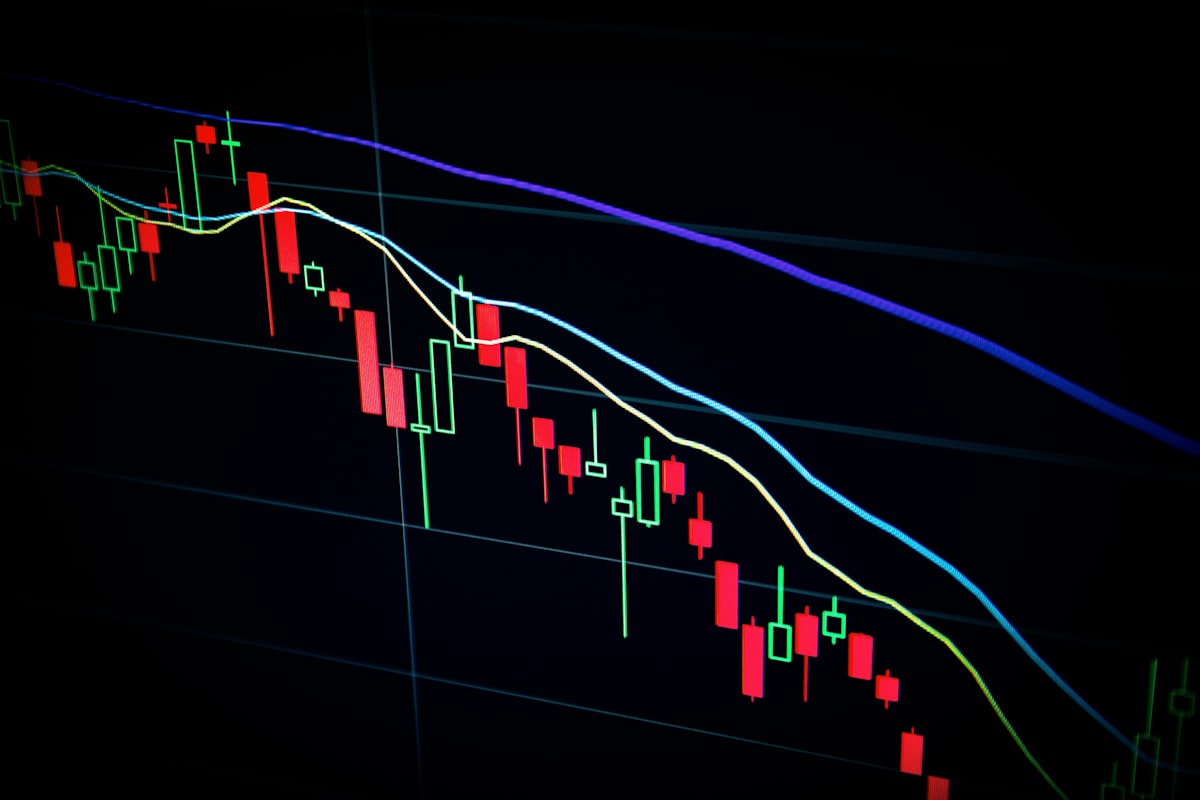
If McDonald is right, here's what it looks like in practice: tech stocks like those packed into TQQQ (a leveraged ETF — a fund that moves three times as fast as the Nasdaq 100) could see sharp, fast drops. Not necessarily a crash. But the kind of sudden dips that scare casual investors into selling at exactly the wrong moment.
That's not a reason to panic. It's actually a reason to have a plan before it happens.
Meanwhile, the Economy Is Still Sending Mixed Signals
This morning also brought the weekly jobless claims report — a weekly count of how many people filed for unemployment benefits for the first time. It's one of the clearest, most current snapshots of whether the job market is holding up or cracking.
Right now, traders are watching this number closely. A surprise jump in claims could mean the economy is softening faster than expected, which tends to push stocks lower and volatility (meaning: how wildly prices swing day to day) higher. A steady or falling number would suggest things are still holding together.
Either way, we're in a market that can move fast on a single data point. That's the environment right now.
Two Strategies Built Exactly for This Kind of Market
When rotation risk is rising and economic data is a wildcard, two things matter most: handling sudden dips without panicking, and having a repeatable daily income approach that works whether the market drifts or darts.
Volatility Scalping on TQQQ
StratBeacon's Volatility Scalping strategy automatically buys dips and sells bounces using 88 preset price levels on TQQQ — so instead of staring at a chart trying to time a chaotic move, the system already knows what to do at every level. If McDonald's rotation warning plays out and tech gets choppy, this is the kind of strategy designed to turn that chop into opportunity rather than anxiety.
SPX 0DTE Options
StratBeacon's SPX 0DTE strategy trades daily options (contracts that expire the same day they're opened) on the S&P 500. In calm markets, it collects steady income. When the market makes a real move, it can ride that trend instead. Given that jobless claims and macro data could spark a sharp move in either direction today, a strategy that adapts to both scenarios is worth understanding.
The Bottom Line
Tech might feel safe. But "feels safe" and "is safe" are two different things — especially when a respected strategist is drawing comparisons to 2020 and economic data is still a coin flip.
The traders who come out ahead in markets like this aren't the ones who guessed right. They're the ones who had a system ready before things got interesting.
StratBeacon shows you exactly when setups like this appear — free to try at stratbeacon.com
Trading involves risk of loss. Past strategy performance does not guarantee future results.