The 9-Day Party Is Over: What Wednesday's Market Drop Means for You
The S&P 500's 9-day win streak just snapped. Rate fears are back, volatility is rising — here's what it means in plain English.

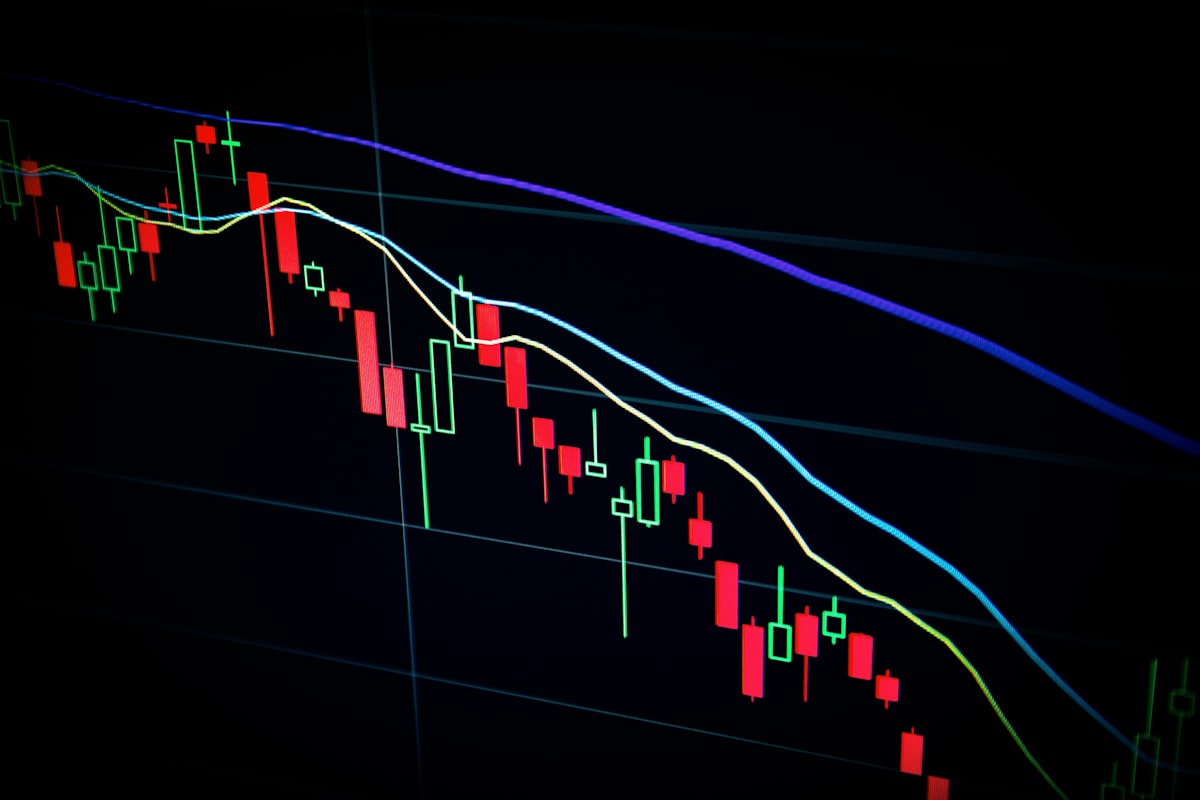
Markets had been on a roll. The S&P 500 — the index that tracks America's 500 biggest companies — just finished a 9-day winning streak. That's rare. That's the kind of run that makes headlines and gets people excited about stocks again.
Then Wednesday happened.
The Dow Jones Industrial Average (another broad measure of the stock market) dropped over 600 points. The S&P 500's winning streak snapped. And investors who had been riding the wave suddenly had to decide: is this a speed bump, or the start of something worse?
So What Actually Caused It?
Two things are rattling markets right now.
First: the Fed. The Federal Reserve (the central bank that controls interest rates) is back in the spotlight. Odds are climbing that the Fed could raise rates by 50 basis points — that's half a percentage point — sometime this year. Higher rates make borrowing more expensive. They also make bonds more attractive compared to stocks, so money tends to rotate out of the market. When rate fears rise, stocks usually fall.
Second: Broadcom. The chip company reported strong earnings, including accelerating growth in AI chips. That sounds great — but the stock still fell. Why? Because sometimes a company can deliver genuinely good results, and the market still sells off because investors had priced in even higher expectations. It's a reminder that "good news" in the market isn't always straightforward.
What Does This Mean for Everyday Investors?
Here's the honest answer: one down day doesn't tell you much on its own. Markets pull back. That's normal. But the combination of Fed uncertainty and a big momentum reversal after a 9-day run does signal something worth paying attention to — volatility is picking up.
Volatility just means how much and how fast prices are swinging. When it's low, markets drift quietly higher. When it spikes, prices can jump or crash within hours. Wednesday felt like the second kind.
There's also a broader backdrop worth knowing: a redemption wave is hitting the private credit market (a $2 trillion corner of finance where loans are made outside of traditional banks). When stress shows up there, it can ripple into public markets too.
This Is Exactly Where the Right Tools Matter
Big swings — both down and up — actually create opportunities, if you know what to look for. Here are two StratBeacon strategies built for days like this:
Volatility Scalping on TQQQ
TQQQ is a leveraged ETF (a fund that amplifies the moves of the Nasdaq 100 index). StratBeacon's Volatility Scalping strategy automatically buys at pre-set dip levels and sells when prices bounce back — no guessing, no staring at charts all day. On a volatile day like Wednesday, those dip-and-bounce cycles happen fast. The strategy is built for exactly that environment.
High Confluence Signals
This one only fires a buy alert when multiple indicators — think of them as independent gauges all reading the same thing at once — agree that a setup looks strong. On days when the market is noisy and confusing, having a signal that requires agreement from several sources cuts through the noise. Fewer false alarms, more confidence when it does trigger.
The Bottom Line
The 9-day win streak is over. Rate fears are back. Volatility is waking up. None of that has to be scary if you have a clear plan and the right signals telling you when to act.
StratBeacon shows you exactly when setups like this appear — free to try at stratbeacon.com
Trading involves risk. Past performance of any strategy does not guarantee future results. Never trade with money you cannot afford to lose.